

Supreme Court Issues Notice to CBI on Arvind Kejriwal’s Bail Plea in Excise Policy Scam Case
Supreme Court issues notice to CBI on Delhi CM Arvind Kejriwal’s plea seeking bail and challenging his arrest in a corruption case linked to the excise policy scam. CBI’s response is awaited by August 23, with no interim bail granted.
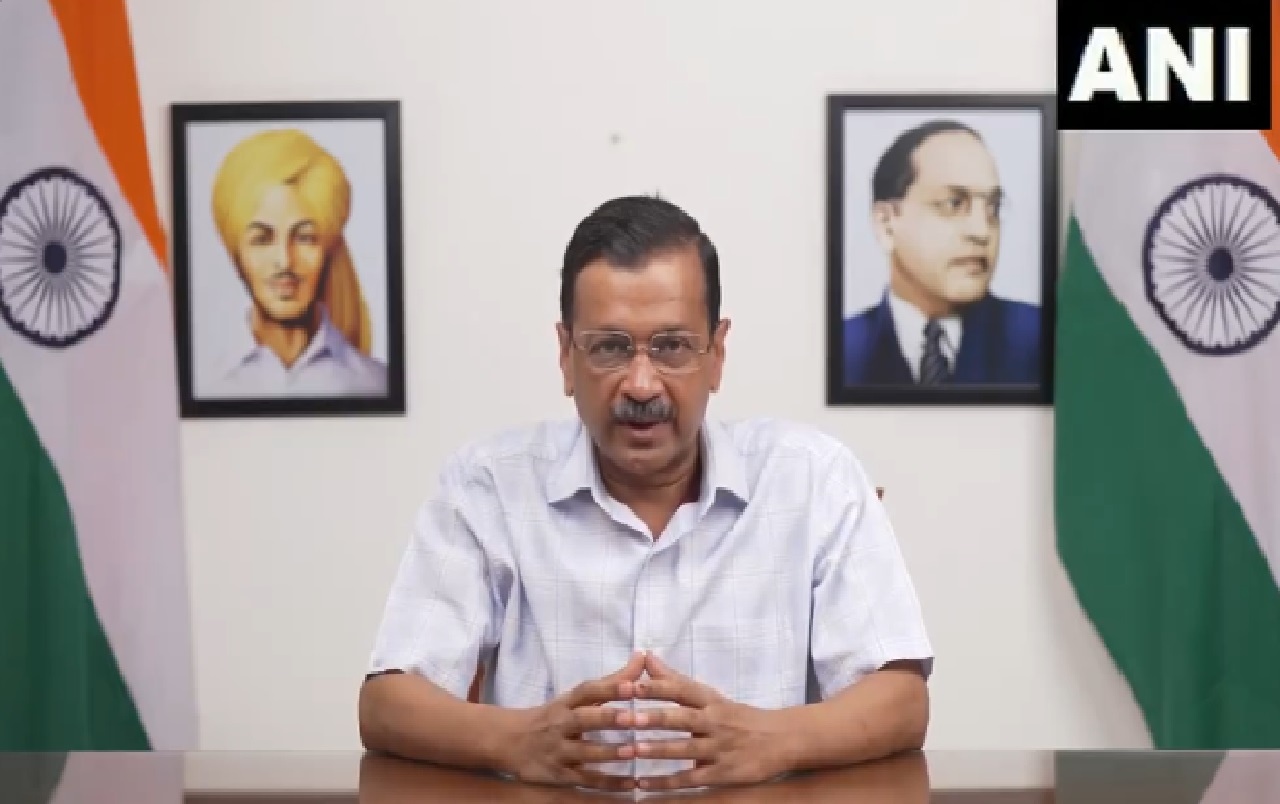

The Supreme Court has issued a notice to the Central Bureau of Investigation (CBI) in response to pleas filed by Delhi Chief Minister Arvind Kejriwal, who is seeking bail and challenging a Delhi High Court order that upheld his arrest by the CBI. The arrest stems from a corruption case related to the alleged excise policy scam in the national capital. The Supreme Court has asked the CBI to submit its response by August 23, 2024, but has refused to grant interim bail to Kejriwal at this stage.
Arvind Kejriwal’s legal troubles began with allegations of corruption and irregularities in the formulation and implementation of Delhi’s excise policy, which reportedly led to significant financial losses to the government. The case, which has captured national attention, has seen multiple arrests, including senior officials and politicians. Kejriwal’s arrest by the CBI marked a significant escalation in the ongoing investigation.
In his petition before the Supreme Court, Kejriwal challenged the Delhi High Court’s decision to uphold his arrest, arguing that the charges against him were politically motivated and lacked substantial evidence. His legal team has claimed that the case against him is part of a broader effort to discredit his administration and hamper his political career. Kejriwal’s lawyers also contended that the Delhi High Court had failed to consider the procedural lapses in his arrest and had overlooked key legal precedents in similar cases.
Despite these arguments, the Supreme Court has declined to grant interim bail to Kejriwal, stating that it would consider his plea only after the CBI has submitted its response. The court’s decision to seek the CBI’s input indicates that it is treating the case with the seriousness it deserves, given the high-profile nature of the allegations and the potential impact on Delhi’s political landscape.
The alleged excise policy scam revolves around claims that certain provisions of the policy were designed to benefit private liquor vendors at the expense of public revenue. The CBI has been investigating the case for several months, and its probe has unearthed a complex web of transactions and communications that allegedly point to a larger conspiracy involving senior government officials. Kejriwal has denied any wrongdoing, insisting that the policy was implemented transparently and in the best interest of the people of Delhi.
The Supreme Court’s refusal to grant interim bail has added to the uncertainty surrounding Kejriwal’s political future. While his supporters have rallied behind him, accusing the central government of using investigative agencies to target opposition leaders, critics argue that the case highlights the need for greater accountability in governance. The next hearing on August 23 will be crucial in determining the direction of the case and whether Kejriwal will be able to secure his release.
As the legal battle continues, political observers are closely monitoring the developments, as the outcome could have far-reaching implications for the political landscape in Delhi and beyond. Kejriwal’s party, the Aam Aadmi Party (AAP), has accused the central government of orchestrating the case to weaken its position in the upcoming elections. However, the CBI has maintained that its investigation is impartial and based on solid evidence.
With the Supreme Court now involved, the case has entered a critical phase. The upcoming response from the CBI will be a key factor in determining whether Kejriwal’s plea for bail will be successful or if he will remain in custody as the investigation unfolds.