

The White House is willing to increase body cameras for agents to facilitate the reopening of the DHS
The partial shutdown of the DHS is beginning to affect daily operations, particularly at the nation's airports
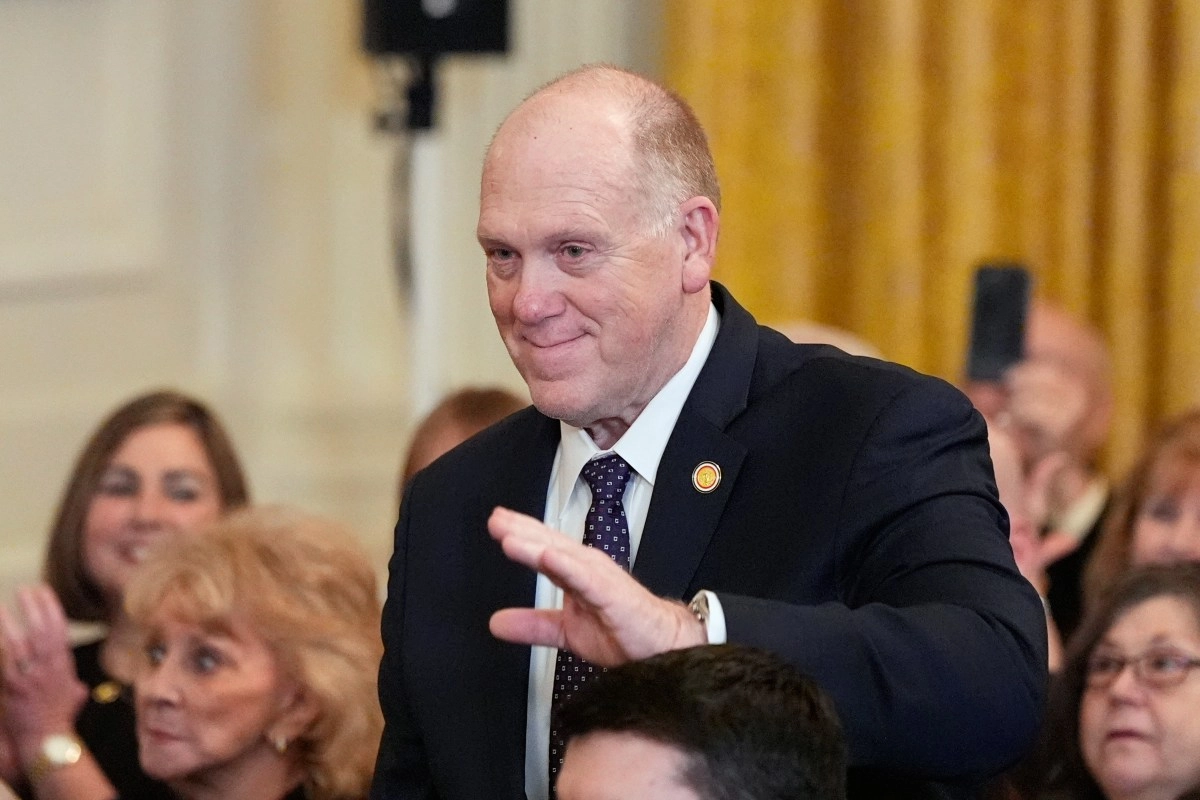

In a desperate attempt to end the partial shutdown of the Department of Homeland Security (DHS), the Donald Trump administration presented a series of key concessions to the Democrats on Tuesday. The central point of the proposal includes expanding the use of body cameras for immigration agents, a measure that seeks to increase transparency following violent incidents that have shocked the country. In a letter sent to Republican Senators Susan Collins and Katie Britt, the White House detailed a series of concessions aimed at reaching a bipartisan agreement. The document, signed by Tom Homan, also proposes strengthening congressional oversight of detention centers, requiring visible identification for agents, and limiting certain civilian immigration enforcement actions, including operations in locations considered sensitive, such as schools and hospitals. “The Administration has worked in good faith,” the letter states, also urging Democrats to move forward with full funding for the Department of Homeland Security (DHS). Democrats maintain key demands. The negotiations come after weeks of deadlock in the Senate, where Democrats have hardened their stance following recent incidents during immigration operations. Among their main demands are a ban on officers wearing masks, the requirement for officers to clearly identify themselves, and the requirement of warrants for arrests or entry onto private property. For his part, Democratic Minority Leader Chuck Schumer emphasized that the irreconcilable sticking points remain the use of tactical masks by officers and the requirement of warrants for arrests. Democrats insist on prohibiting officers from covering their faces during raids, a practice they consider intimidating and one that hinders accountability. The White House, however, believes that several of these demands could compromise public safety and expose agents to risks.
Impact of the shutdown and pressure on airports
The partial shutdown of the DHS is beginning to be reflected in daily operations, particularly at airports across the country.The lack of funding has led to the departure of more than 300 Transportation Security Administration (TSA) agents, generating long lines and delays in cities like New Orleans, Atlanta, and Chicago. In response, Democrats have proposed separating TSA funding from that of other immigration agencies to ensure its continued operation, an initiative that was not included in the White House proposal. For his part, Senate Republican Leader John Thune acknowledged that the Executive's offer contains "significant concessions," although he cautioned that it does not yet represent a substantial change in the negotiations. Talks continue as political and operational pressure mounts to reach an agreement that will allow the DHS to fully resume its functions and prevent further disruptions to security and transportation in the United States.