

Why should you keep your cell phone face down at all times?
We tell you the 3 main benefits of keeping your cell phone face down when you are not using it
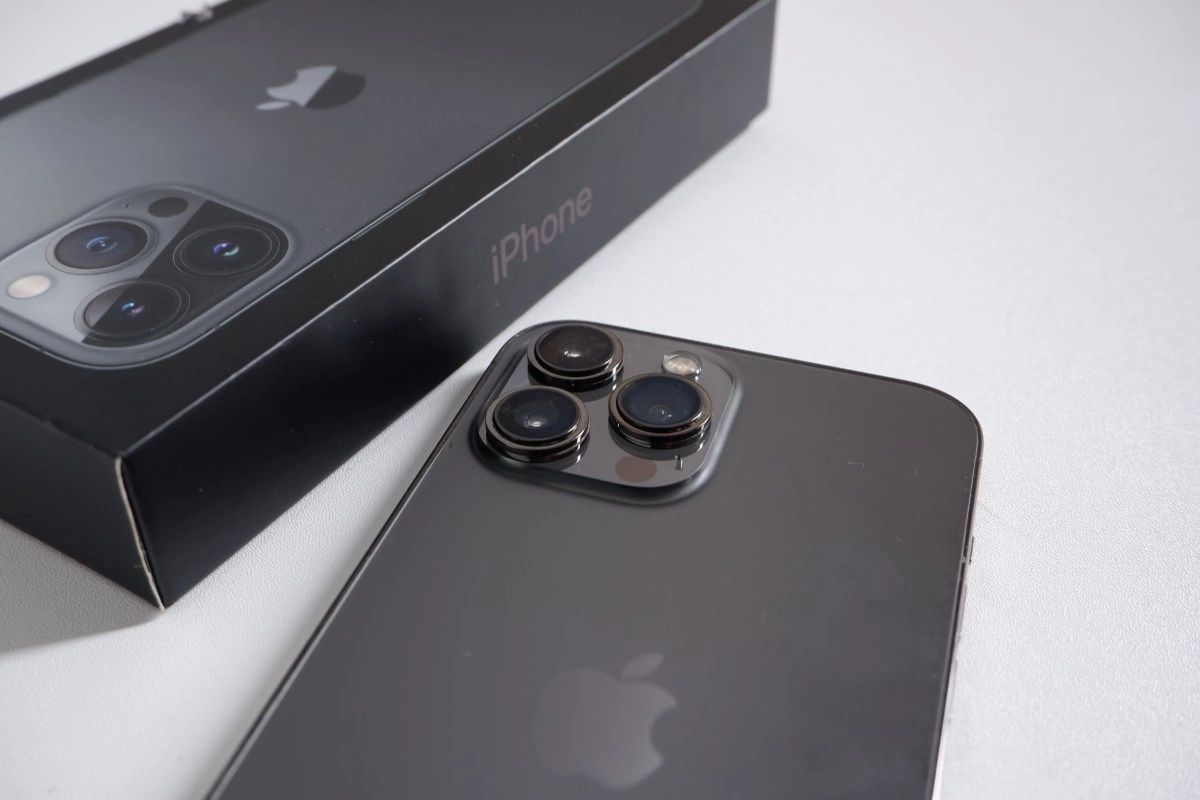

For many people, leaving their cell phone face up on the table is the most common way to do it. This way, you can immediately see if someone is calling, if you receive a notification, or simply stay up-to-date with the weather or any other alert. But that seemingly harmless habit could be shortening your battery life without you even realizing it.
Here's why you should start leaving your phone face down right now, and how this simple gesture can positively impact your device's daily performance.
1. Battery Savings
Most current smartphones—whether Android or iPhone—are designed with sensors that detect when the device is face down. By doing so, the system understands that you don't need to see notifications immediately, so it decides not to activate the screen when messages, alerts, or any type of push notification arrive.
This may seem like a minor advantage, but it has a real impact: every time the screen turns on, even for a few seconds, it consumes battery. And if you're someone who receives a lot of notifications a day, that drain can add up significantly. Leaving your phone face down prevents these micro-wastes of energy.
Furthermore, some manufacturers optimize this behavior even further. For example, on Android, many models come with features like "Do Not Disturb Mode when face down," which not only prevents the screen from turning on, but can also block notification sounds so as not to interrupt meetings or focused moments.
2. Increased Privacy
Another often overlooked aspect is the issue of privacy. By leaving your phone face up, anyone near you can read part of a notification's content without having to unlock your device. This can include personal messages, work emails, or even banking information.
On the other hand, keeping your phone face down eliminates that risk. Even if someone is nearby, they won't be able to see what's on the screen without picking up the device.If you care about your privacy—and you should—this is a benefit you shouldn't ignore.
On the other hand, having your phone face down can also be a courtesy. If you're in a meeting or having a conversation with someone, leaving your phone face down communicates that you're present and not staring at the screen, which creates a better personal or professional impression.
3. Fewer Distractions
We've all been there: You're working or studying, and suddenly your phone vibrates and the screen lights up. You can't help but look at it. Maybe it was just an unimportant notification, but you've already lost track of what you were doing.
Placing your phone face down helps reduce the temptation to look at the screen every time it lights up. This not only preserves battery life but also improves your ability to concentrate. If you pair it with a Focus or Do Not Disturb mode, the benefit is twofold.
In professional or academic settings, this small habit can make all the difference. Fewer interruptions mean greater efficiency, and a phone that lasts longer without recharging means less dependence on the outlet.
Leaving your phone face down is a practice we should all adopt. Not only does it help extend battery life throughout the day, but it also protects your privacy and improves your focus on important tasks. It's a simple, effective, and completely free trick. So the next time you put your phone down on the table, remember: face down is always better.