

Mixed reactions to the possibility of Bukele being reelected for life
His supporters applaud him, but others say the president of El Salvador is on his way to becoming a dictator
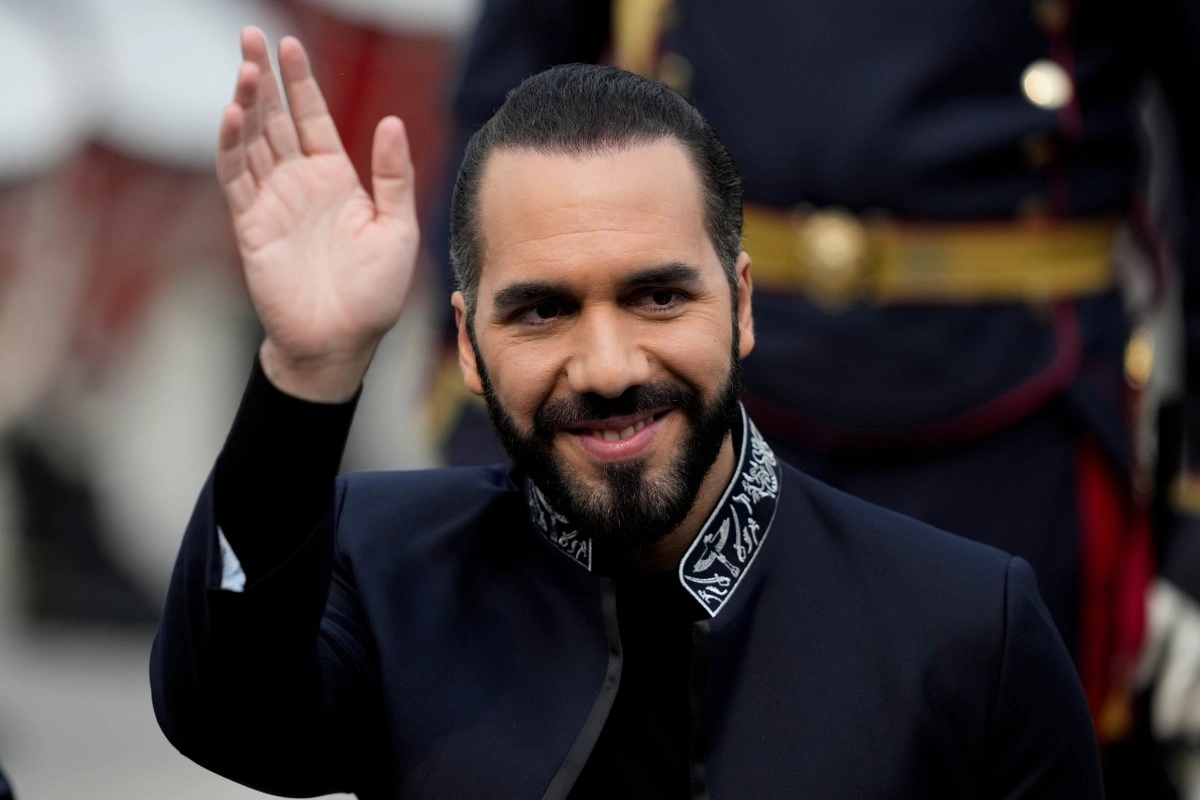

Faced with the changes to the Constitution that allow presidential reelection in El Salvador for an indefinite period and extend the period by six years, Salvadorans living in Los Angeles expressed reactions found.
There is much speculation that the change in the Constitution could turn President Nayib Bukele into a dictator, since it opens the door for him to be re-elected as many times as he wants.
However, Wilbert Francisco Alabi, a Salvadoran resident in Los Angeles from the Nuevas Ideas Group, said that in no way does this open any door for Bukele to remain president of El Salvador for life.
It is important to know that in the elections, the people will elect and decide if they want the president who is in office at that time to continue. It's like in a sports game, if you have a good player who is scoring goals, why are you going to replace him with another; and if he doesn't play well, the fans themselves will ask for him to be removed. In the case of El Salvador, the people will decide.
As for President Bukele, he said that the Salvadoran people are very happy with him, and only the small opposition that exists is never happy and looks for ways to distort what the Assembly approves.
"You can't say there is a dictatorship; there are media outlets, and people can express themselves freely. In terms of security, there has been a considerable change, and tourism, investment, and construction have resurfaced. Of course, there is a lot to do, but we have a good leader."
The dictator's maneuver
Luis Alvarado, a political analyst with a Salvadoran father and a Mexican mother who lives in Los Angeles, said there is no doubt that the changes made to the Salvadoran Constitution are part of a maneuver to put President Bukele on the same level as dictators like Chávez, Maduro, Castro and Ortega.
"There is no doubt that the president has the support of the people, but that does not mean that the process leaves democracy behind and the elections become paper elections like those in Nicaragua, Russia and China."
But he also emphasized that Salvadorans' support for Bukele can change overnight, and the risks and consequences will come in the future when the people stop having an opinion on the direction the country is going.
President Bukele is starting to behave like Donald Trump.
Alvarado said that in his frequent trips to El Salvador, he has seen progress, but also challenges such as too much traffic, which makes it impossible to drive; Food prices are very high, and the country depends on remittances from Salvadorans in the United States.
A change with personal motivations
Bart Pérez is a Salvadoran union leader in Los Angeles, son of peasant parents, who had to leave their canton in the 70s due to the armed conflict.
In the 80s we lived in San Salvador, we didn't have gangs but there was a curfew. Civil rights didn't exist, much less human rights. The social needs were similar to those of today. There are no jobs. Education is precarious. The housing is deplorable and health care is not the best. With all these needs, the best option was to leave the country.
In the 90s, after the FMLN's final offensive, he and his family left the country in search of freedom and safety.
It was as if the war was chasing us.
Bart considered that Bukele violated the Constitution from the moment he was reelected and mocked all Salvadorans.
The oligarchs allowed it. Social organizations and unions allowed him to touch the constitution for personal purposes. Many of us who lived through difficult times know the history of power and what it cost to start a poor democracy. I say poor because we had no constitutional rights, much less human rights."
Today it turns out," he said, "that the Constitution is of no use to this government because it does not meet their personal interests.
"They want to hide the dirty business they did and the innocent deaths by imposing the exceptional law for the poor. They use the same political Constitution and change only what harms them. Today, all the little that was achieved has been lost. Democracy and civil rights, nothing! We went backwards and today it's worse.
He stated that the Bukele government is achieving all of this with the laws they have made in his favor and with all the deputies who pass all the laws he sends them, supported by the exceptional law with military personnel, prosecutors, and judges.
"We are Venezuela 2.0," he stressed.
Neither the end of democracy nor Bukele forever
The political science professor at the community colleges of the City of Los Angeles, Chamba Sanchez of Salvadoran origin, He said that on the surface this major constitutional change looks bad, but those sounding the alarm, the FMLN and ARENA, are the ones who have been in power and, instead of solving the security problems, have engaged in high-level corruption while enriching themselves with the country's resources.
"Those who detest President Bukele argue that it is the end of democracy as we know it, but that is not true. Given that Salvadorans will continue to vote for a president."
He added that the opposition has failed to present a competent candidate with a vision that Salvadorans embrace.
"Salvadorans value security so much that they are willing to sacrifice their civil liberties for peace in their communities. Bukele should also know that security is excellent and welcome, but he also needs to address poverty, a still very serious social problem in El Salvador."
Professor Sánchez said that nothing is certain in politics and things change very quickly.
"Bukele could be affected by Salvadorans' nature, complacency, or curiosity about a new leader. He could also have done what AMLO did in Mexico and supported a candidate who would continue the work he had been doing.
He noted that this is an option Bukele would like to take because he likes power, and no one could be liked or gain the support of Salvadorans like he can.
That is, at the very least, arrogance at the highest level and problematic for those who want to see democracy in this country mature.
Professor Chamba said the opposition needs to organize a more effective resistance and not just scare Salvadorans with the end of democracy in this country.
Ultimately, the people will vote in the next elections, and they can vote against him if they disagree with these profound changes. Salvadoran democracy should give the people of this country who they want as leaders, regardless of what international institutions or others abroad, including some Salvadorans living here, want.
More on Bukele
Last year, the 44-year-old Bukele won reelection in a landslide, despite a prohibition in the Constitution, after Supreme Court justices elected by the ruling party approved it for a five-year term. Bukele was elected president in 2019.
Last June, a survey by LPG Datos, from La Prensa Grafica, showed that the Salvadoran president, after six years in office, maintained a high approval rating of 85.2% largely attributed to the dismantling of gangs and an unprecedented reduction in homicides nationwide.
According to MigrationPolicy.org, approximately 2.5 million people of Salvadoran origin reside in the United States, a figure that includes both those born in El Salvador and first- and second-generation Salvadoran Americans.