

The F-47 and its propulsion system are advancing at different rates, and that could mark a key advantage over China and
Boeing moves forward with the F-47 as GE and Pratt & Whitney compete for the engine that will define the next decade of air superiority.
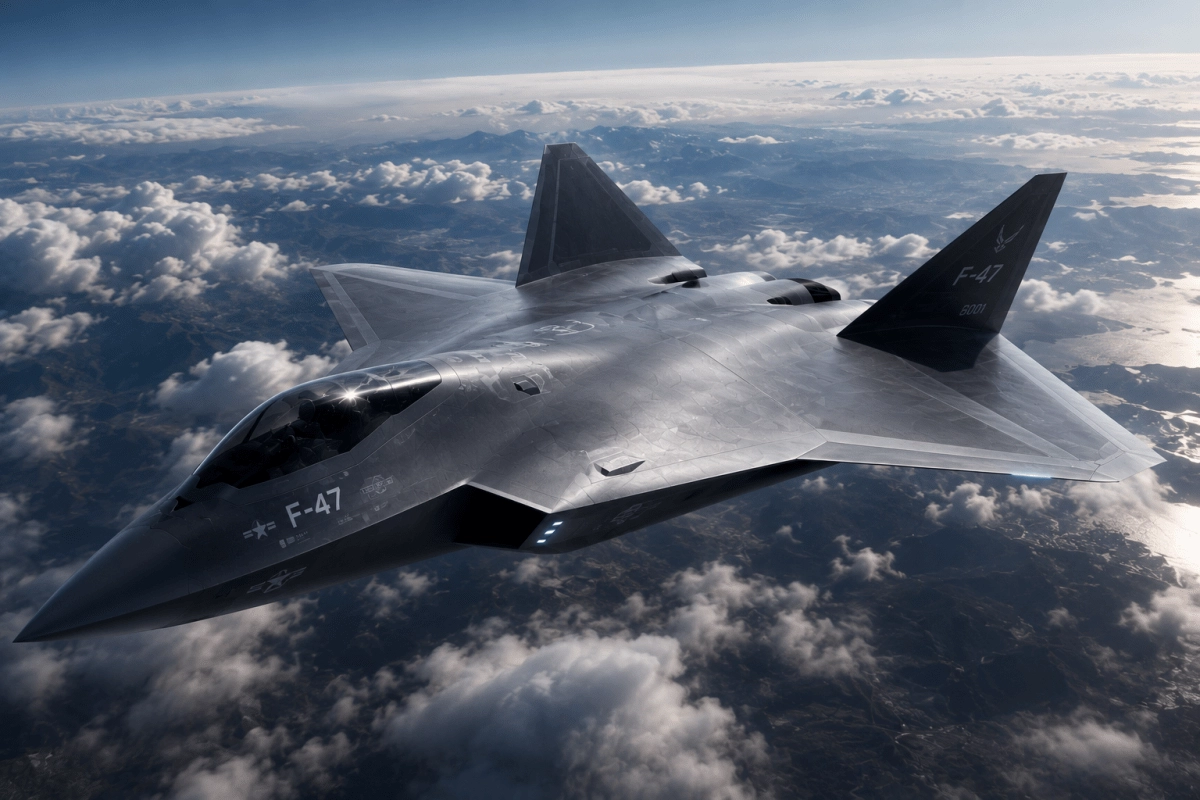

The United States Air Force's sixth-generation F-47 fighter aims to take off for the first time in 2028, but its next-generation engine would not be ready until 2031 according to the most recent reports. This difference of almost three years between the plane and its propulsion is not a calculation error, but rather the reflection of two programs that run at completely different paces.
A plane that goes faster than its own engine
The contract to build the F-47 went to Boeing in March 2025, with a deal valued at about $20 billion. Since then, manufacturing of the first prototype has progressed at the company's expanded facility in St. Louis, Missouri, and according to General Dale White, head of critical acquisitions for the Air Force, the schedule remains “on time and on target” for the 2028 flight.
That would mean reaching the air just three years after the contract was signed, something that analysts compare with the F-35 program, which took five years to reach that same milestone.
The problem, or rather the curious detail, is that this first flight will probably not yet carry the final engine with which the F-47 was conceived. The Air Force has already hinted that the aggressive goal of 2028 could leave technologies such as the adaptive cycle engine originally intended for the plane out of reach.
Who builds the engine and what makes it so special
Why this puts the US far ahead of the rest
Although the final engine arrives after the plane, that gap does not stop the underlying objective, keeping the United States at the forefront of air superiority while China and other rivals continue testing their own sixth-generation fighters. The F-47 is designed to exceed Mach 2, operate with a combat radius greater than 1,000 nautical miles and fly accompanied by collaborative drones that multiply its attack capacity without adding risk to the pilots.
The strategy behind flying first and perfecting the engine later has its logic, it allows aerodynamics, sensors, stealth and combat systems tests to begin earlier while the propulsion finishes maturing in parallel. NGAP research and development spending is projected to rise to nearly $906 million in 2028 before plateauing, a sign that the race to perfect that engine is still in full swing.
The F-47 will gradually replace the F-22 Raptor and is expected to enter operational service early in the next decade, although some policymakers are talking about the mid-2030s for full availability. Whatever the final schedule, what is clear is that the United States is betting big on getting ahead on the air military board, even if that means that the fighter and its mechanical heart do not exactly come hand in hand.