

Alert on 12 New York beaches due to high levels of bacteria: what are they?
Authorities recommend not swimming at 12 New York beaches due to high levels of bacteria after heavy rains. Health risks
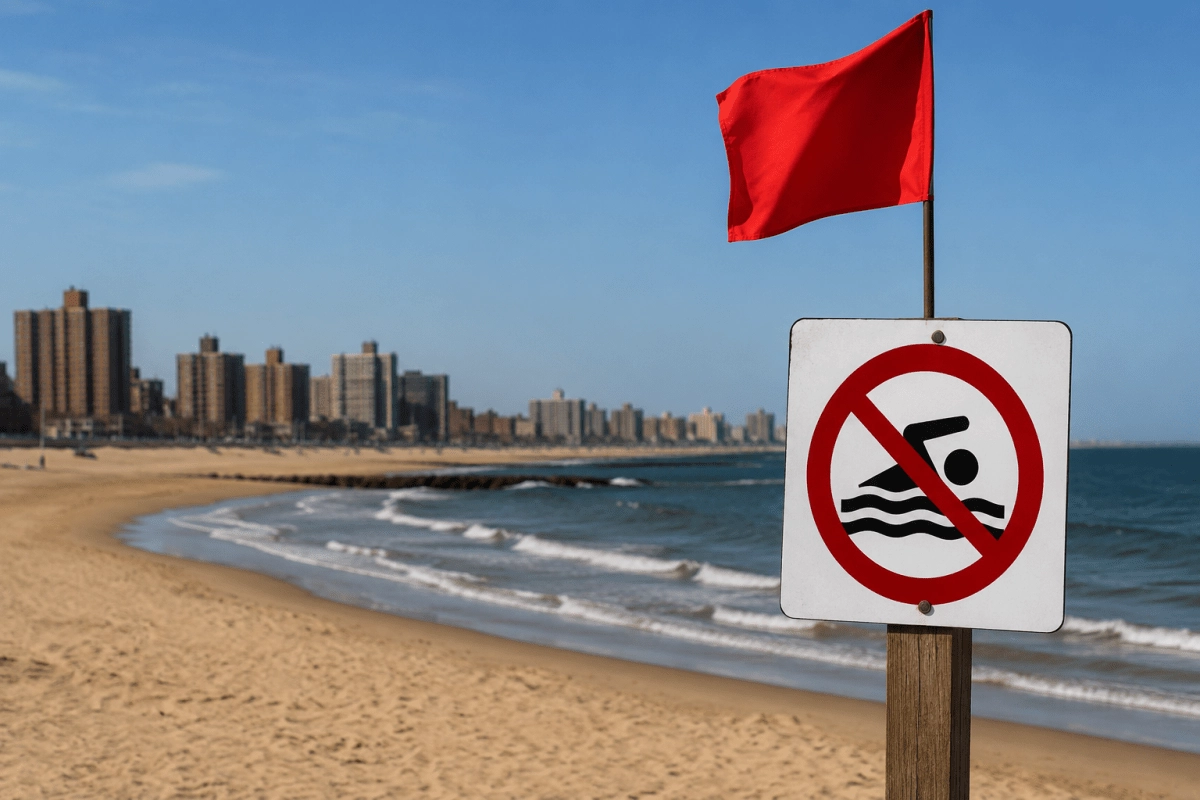

New York health authorities recommended avoiding swimming or walking in the water at 12 city beaches due to high levels of bacteria detected after heavy rains.
The warning affects beach resorts in Queens, Brooklyn and Staten Island, including Coney Island, Manhattan Beach, South Beach and Midland Beach. Although beaches may remain open for walking on the sand or using the boardwalk, the Health Department asks not to enter the water while the alert is in effect.
What are the 12 affected beaches?
The beaches included in the warning are:
The measure was adopted after analyzes showed concentrations of bacteria higher than levels considered safe for recreational activities.
Why did bacteria increase?
Heavy rains can wash sewage, animal waste and other pollutants into rivers, bays and coastal areas. In some sectors, discharges from the sewage system may also occur when the amount of water exceeds its capacity.
The city's Health Department monitors beaches throughout the season and tests samples for bacteria indicative of contamination. When values are high, it issues a warning to avoid swimming and wading.
Contact with contaminated water can cause diarrhea, vomiting, ear infections, eye irritations and skin problems, especially in children, older adults and people with low immune systems.
What should those who plan to go to the beach do?
Officials recommend checking the official water quality map before heading out, as a beach's status can change quickly after new sampling.
An advisory does not always mean that the entire beach is closed: you can generally stay on the sand or walk along the boardwalk, but swimming or entering the water is not recommended.
Signs, flags and lifeguard instructions must also be respected. The alert may be lifted when new analyzes confirm that bacteria levels have returned to safe parameters.