

Supreme Court will decide on citizenship by birth after Trump's blockade
The Supreme Court will determine the constitutionality of President Trump's executive order against children of undocumented immigrants
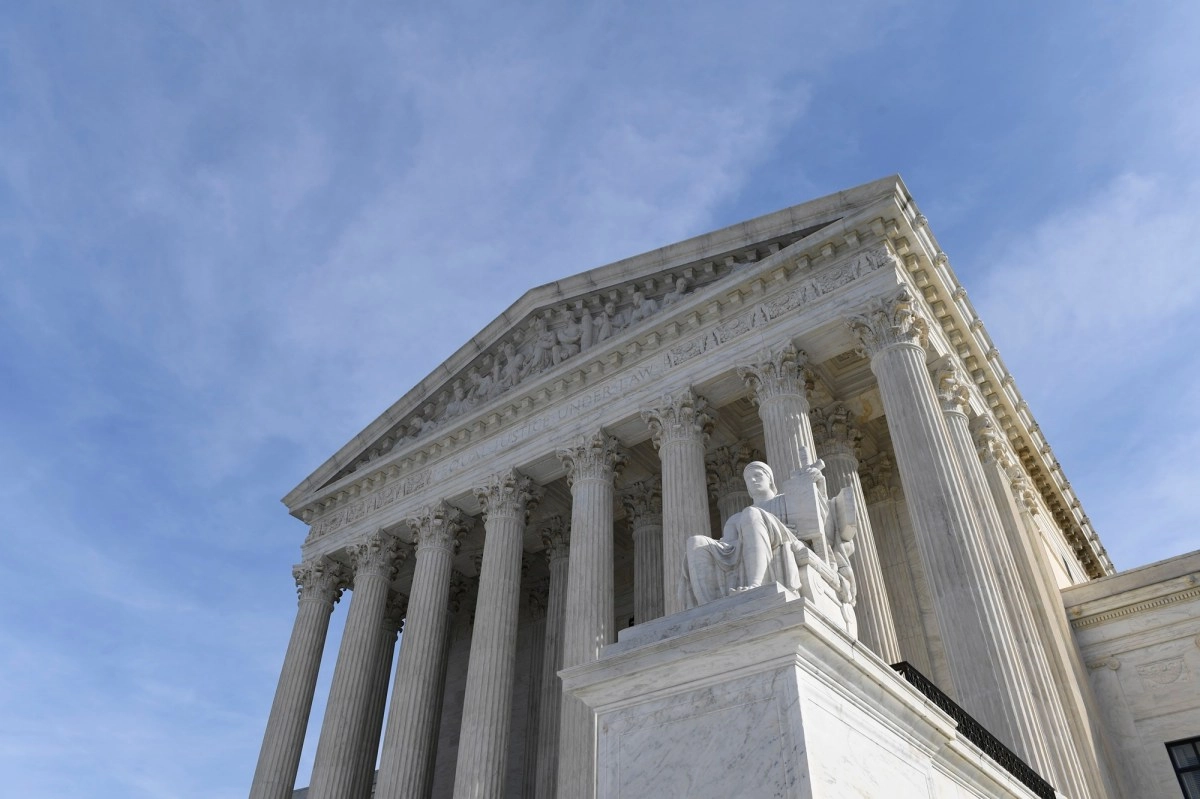

The Supreme Court agreed to decide on the blockade of birthright citizenship for certain foreigners, imposed by President Donald Trump at the beginning of his administration.
The Supreme Court's decision will allow the Trump Administration and the plaintiffs to present their arguments for and against the 14th Amendment to the Constitution.
The Supreme Court justices They will decide on this case in June, taking into consideration the annual schedule for the presentation of arguments and determinations. Executive Order 14160, signed by Trump, seeks to deny citizenship to the children of undocumented immigrants, but also to other foreigners, such as tourists or people with non-immigrant visas. The case of Trump v. Barbara is part of the lawsuits against President Trump's executive order. Another case is CASA v. Trump, led by the Asylum Seekers' Defense Project (ASAP). “It is clear that children born in the United States are U.S. citizens, regardless of their parents' immigration status. We believe the Supreme Court will resolve this issue once again,” said Conchita Cruz, co-executive director of ASAP. “However, the mere fact that this matter is being brought before the Supreme Court will cause anxiety and stress to expectant parents as they await a decision that will affect their children’s lives.” Referring to the Supreme Court deciding “once again” on birthright citizenship, Cruz harks back to an 1857 ruling in Dred Scott v. Sandford, concerning a man born into slavery in Virginia who was later sold to an army surgeon in an area where slavery was prohibited. Another case was in 1895, when the justices determined that the 14th Amendment to the Constitution guaranteed U.S. citizenship to anyone born in the United States, resolving the case of Wong Kim Ark, born in San Francisco to parents of Chinese descent. Trump’s order has faced several lawsuits. Just at the end of July,The Ninth Circuit Court of Appeals blocked it.
“The District Court correctly concluded that the interpretation proposed in the Executive Order, which denies citizenship to many people born in the United States, is unconstitutional. We fully agree,” the decision states.
Voto Latino warns of risks
The organization Voto Latino believes that by accepting the case, the Supreme Court leaves open the debate about what the 14th Amendment states and the cancellation of birthright citizenship ordered by President Trump.
“The Supreme Court’s announcement to accept this case is alarming,” the organization stated. “Birthright citizenship is not a political preference, but a constitutional guarantee enshrined in the Fourteenth Amendment to ensure that no child born on American soil is denied their rightful place in this country.”
Voto Latino believes that the Supreme Court justices are, in some way, calling into question the citizenship of millions of children.
“By accepting the Trump Administration’s extreme attempt to dismantle this constitutional protection, the Court is demonstrating its willingness to revise rights that generations of Americans have relied on,” the organization argues. “This undermines the very idea of ??equality before the law and disproportionately affects Latino and immigrant families who have long contributed to the strength of this nation.” The group also believes that if the Supreme Court rules against birthright citizenship, it would be creating a kind of “permanent underclass of stateless children,” affecting families and the social fabric. There are 17.8 million children in the U.S. with at least one foreign-born parent, the organization indicated, and 86% of them were born in the United States. A recent report by the Migration Policy Institute revealed that at least 5.3 million children have at least one undocumented parent or guardian.but a constitutional guarantee enshrined in the Fourteenth Amendment to ensure that no child born on American soil is denied their rightful place in this country.”
Voto Latino believes that the Supreme Court justices are, in some way, calling into question the citizenship of millions of children.
“By accepting the Trump Administration’s extreme attempt to dismantle this constitutional protection, the Court is demonstrating its willingness to revise rights that generations of Americans have relied on,” the organization argues. “This undermines the very idea of ??equality before the law and disproportionately affects Latino and immigrant families who have long contributed to the strength of this nation.”
The group also believes that if the Supreme Court rules against birthright citizenship, it would be creating a kind of “permanent underclass of stateless children,” affecting families and the social fabric.
There are 17.8 million children in the U.S. with at least one foreign-born parent, the organization indicated, and the 86% of them were born in the United States.
A recent report by the Migration Policy Institute revealed that at least 5.3 million children have at least one undocumented parent or guardian.