

“To the dumpster of history”: DeSantis toughens measures against Cuba and rekindles tension in Florida
The governor of Florida signed a new law against foreign interference that targets directly Cuba and other governments considered adversaries
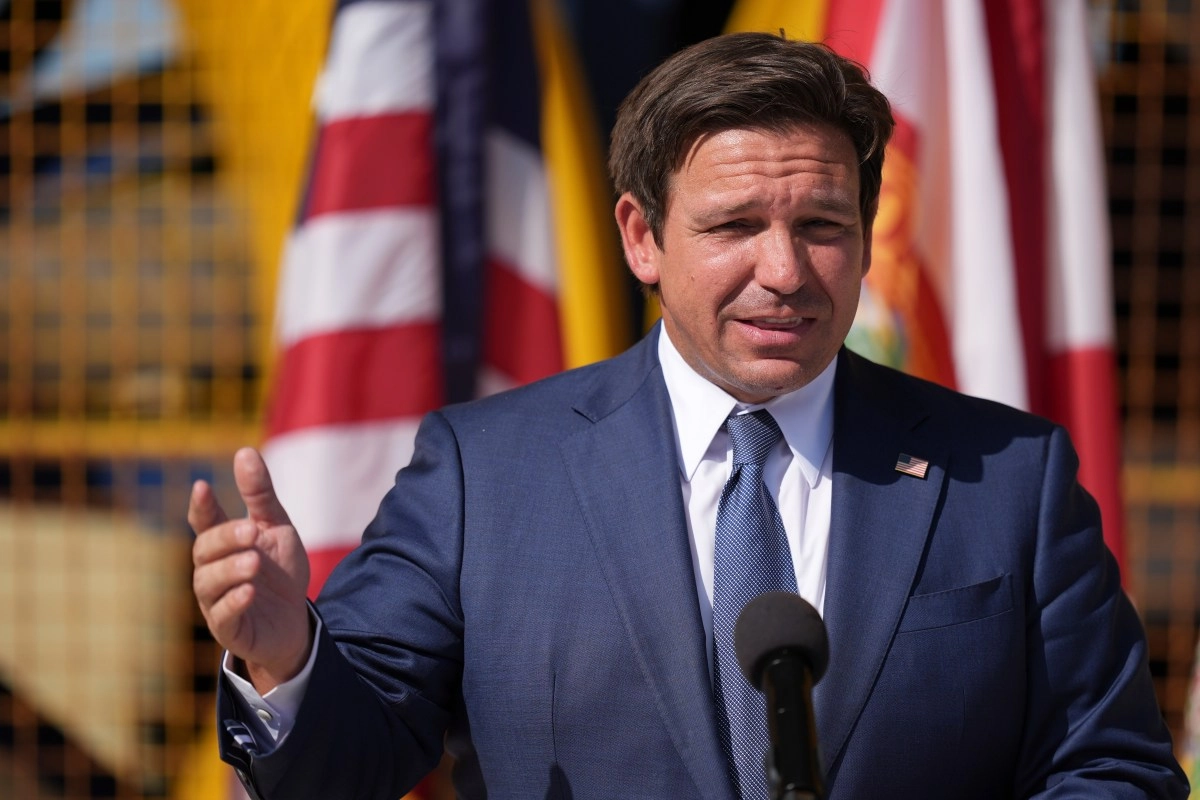

The governor of Florida, Ron DeSantis, placed Cuba back in the center of the state and national political dispute with a new legislative offensive that targets the influence of governments considered hostile po r United States. During the signing of a new law in Miami, the Republican launched a phrase that quickly ignited the political debate: “It's time for the Cuban communist dictatorship to be consigned to the dumpster of history.”
The declaration was not accidental. It happened in front of members of the Cuban exile and in a politically symbolic scenario for Florida, where the relationship with Cuba continues to be an issue of strong electoral sensitivity, especially in the southern state.
But, beyond the impact of rhetoric, the key is what really changes with this new measure.
Keys to the new measures: more restrictions on Cuba and Venezuela
DeSantis enacted a law that expands restrictions to limit the influence of foreign governments considered adversaries, including Cuba, China, Russia, Iran, North Korea, Syria and Venezuela.
The rule tightens controls over institutional links, benefits, agreements and relationships with actors associated with these countries, within the state structure of Florida.
What is the new law signed by DeSantis looking for?
The legislation reinforces a political line that Florida has been deepening for years: marking distance with governments designated as threats to security or to US interests. In the Cuban case, the message was explicit quote. “Florida is proud to support those fleeing oppression and rejects any attempts to legitimize authoritarian regimes,” highlighted DeSantis, who has become converting his stance against Havana into a political flag.
According to the approved text, the law toughens restrictions for public officials and certain institutional relations with governments considered of concern. It also expands controls over possible forms of foreign influence within the state.
Although political speech can generate unrest among immigrants, it is important to make a distinction: the law does not modify federal immigration rules nor does it directly change the legal status of Cubans who live in the United States.
In the immediate, the effect will be more political and institutional than everyday for the majority of residents.The norm aims above all at governmental relations, official agreements, and links, not at ordinary citizens.
However, the political message can increase tension in a state where the debate on immigration, security and Latin America continues to occupy a central place.