

War in Iran shoots gasoline prices in LA
Angels are worried about rising fuel prices, and fear it will trigger a surge in food prices
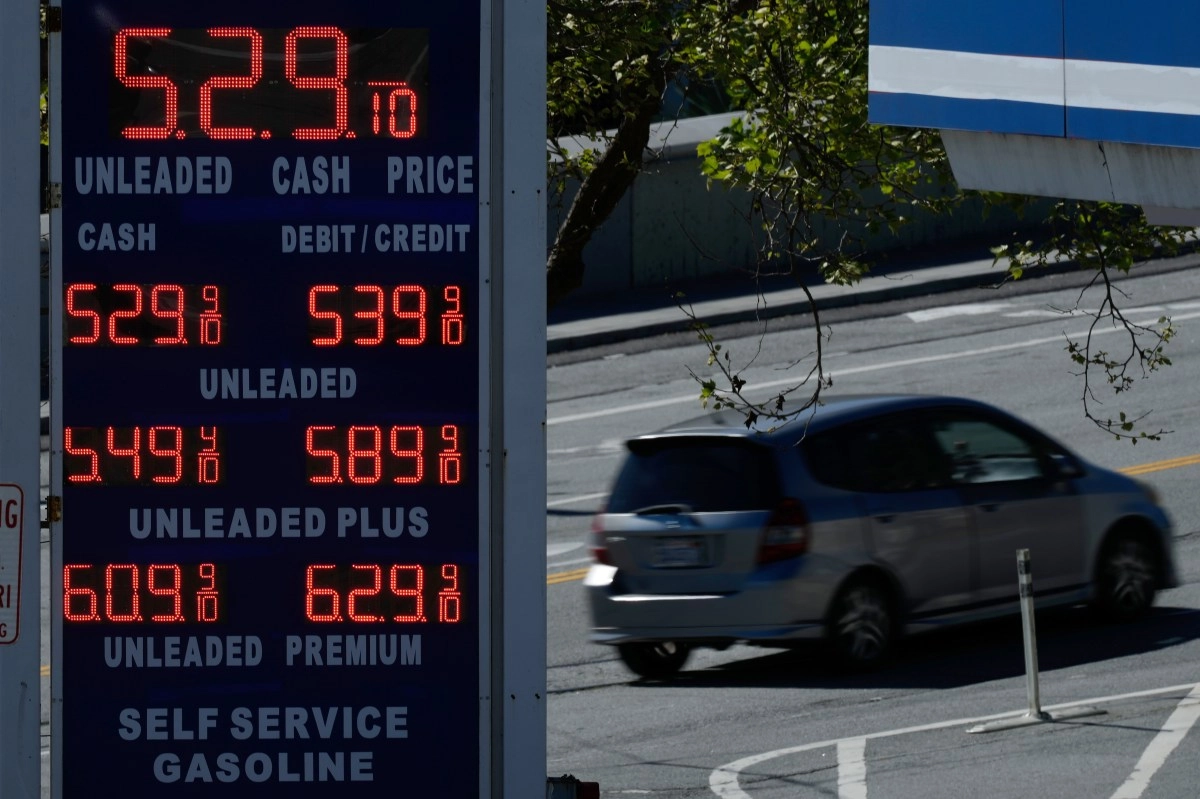

Since gas prices began to rise as a result of the US and Israel's war against Iran, Lilia Medina says she is trying to use her vehicle as little as possible.
“I am fortunate to work as an independent consultant, and I am driving to downtown Los Angeles only when absolutely necessary,” says Lilia, who lives in the city of San Fernando.
“If I used to go four times a day to the “Every week I go downtown, I'm trying to go twice, working as much as possible by phone; so I'm managing my trips to save gas.”
Lilia drives a six-cylinder SUV that guzzles gas.
“Before, I only put premium gas in my car; now I'm filling it with regular.”
But also – she says – in order to save money, she's cut back on eating out because even fast food has gotten more expensive.
“Something that used to cost $7 now costs between $18 and $20; they seem like luxury restaurants,” she exclaims.
She adds that as soon as her gas tank gets a little low, she fills it up again for fear that prices will skyrocket even more.
Iran is the fourth largest oil producer in OPEC and controls a vital part of the Strait of Hormuz, so experts believe that attacks by the United States and Israel could lead it to restrict the access and, after a series of attacks against at least five energy facilities in the vicinity of Tehran, the country has threatened to destroy oil facilities in neighboring states. According to the American Automobile Association (AAA), the national average price of gasoline as of March 13 was $3,630 per gallon, while in California, it was $5,416 for regular and $5,820 for premium. $4,665 and the most expensive was $5,041.Pro-immigrant activist Juan Jose Gutierrez says he drives every day from the city of Walnut in Los Angeles County to downtown Los Angeles, where his offices are located. "I drive 30 miles each way. In the 12 days since the United States and Israel decided to go to war against Iraq, prices have skyrocketed," he says. He estimates that between February 28 and March 13, the price of a gallon of gasoline has increased by $1.50,an average of 10 cents per day. "Right now, a barrel of crude oil is above $100, but it could reach $200; and if more infrastructure and tankers carrying crude oil continue to be damaged, this is going to get worse and it will be a catastrophe. At first, I thought it would be a 10-day war, but now I'm very worried." He points out.
He explains that the increase in fuel prices drives up diesel prices, and as a consequence, there will be an increase in the cost of food.
“The prices of fertilizers produced with crude oil have increased 60%, and these chemicals are used for vegetable production in the fields.”
A new poll conducted Wednesday by Morning Consult revealed that 48% of Americans blame Trump and his administration for the rise in oil and gasoline prices.
The poll also found that 16% blamed oil and gas companies, 13% blamed global market forces, and 11% blamed former President Biden.
According to AAA, the surge in gasoline prices will be exacerbated by the spring break season, when demand increases at this time of year as the weather improves and more drivers hit the road.
“Crude oil prices They play a fundamental role in what drivers pay at the pump, and these prices have surpassed the $100 per barrel mark on multiple occasions in recent days," they said in a statement. They noted that to help mitigate the price increase, the United States announced it will release 172 million barrels of oil from its strategic reserves over four months. This measure is part of a broader effort by the International Energy Agency to release a total of 400 million barrels of oil, the largest emergency release in its history. AAA Recommendations for Saving Gas: "Prices have skyrocketed," he says. He estimates that between February 28 and March 13, the price per gallon increased by $1.50, an average of 10 cents per day. “Right now, a barrel of crude oil is above $100, but it could reach $200; and if more infrastructure and ships loaded with crude continue to be damaged, this is going to get worse and it will be a catastrophe.” “At first, I thought it would be a 10-day war, but now I'm very worried,” he says. He explains that the increase in fuel prices is driving up diesel prices, and as a consequence, there will be an increase in the cost of food. “The prices of fertilizers produced with crude oil have increased by 60%, and these chemicals are used for vegetable production in the fields.” A new poll conducted Wednesday by Morning Consult revealed that 48% of Americans blame Trump and his administration for the rise in oil and gasoline prices. The poll also found that 16% blamed oil and gas companies, 13% blamed global market forces, and 11% blamed former President Biden. According to AAA, the surge in gasoline prices will be exacerbated by the spring break season, when demand increases at this time of year as the economy improves.Weather and more drivers hit the road
“Crude oil prices play a critical role in what drivers pay at the pump, and those prices have surpassed the $100 per barrel mark multiple times in recent days,” they said in a statement.
They noted that to help mitigate the price increase, the United States announced it will release 172 million barrels of oil from its strategic reserves over four months.
This measure is part of a broader effort by the International Energy Agency to release a total of 400 million barrels of oil, the largest emergency release in its history.