

A great date: the battle of guarantees between three luxury brands
Genesis, Lincoln and Lexus offer very different warranties, but one of them stands out above the rest in the long term
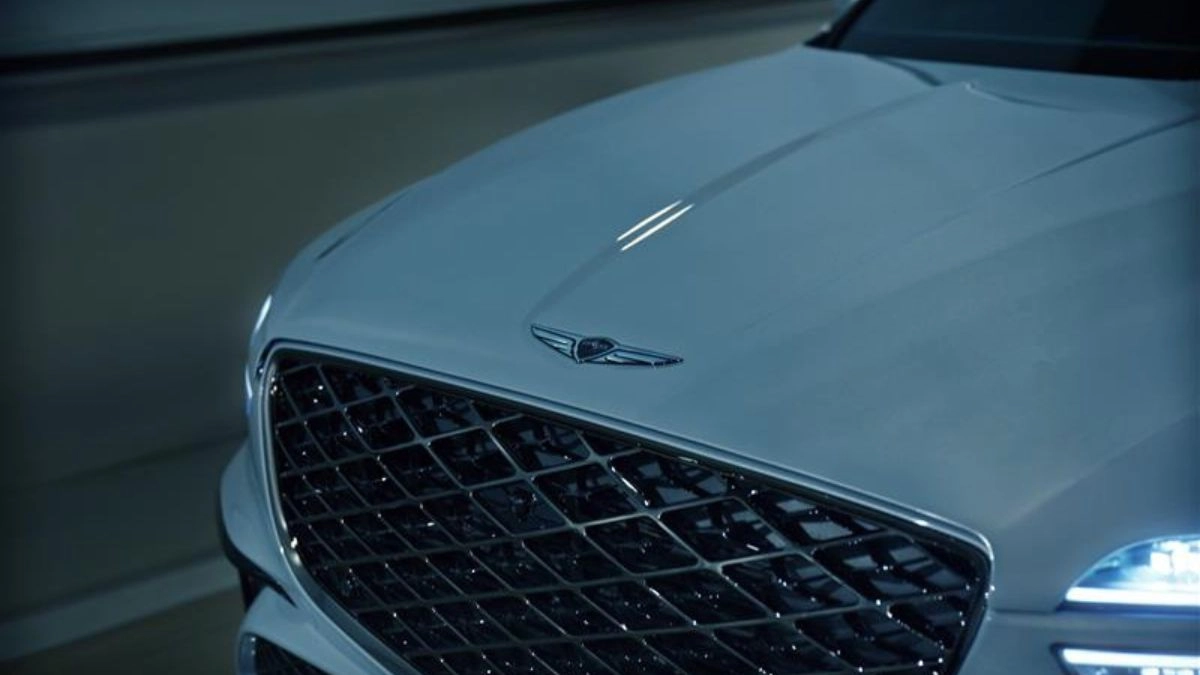

Buying a premium car is no longer just about design, power or technology. More and more customers look at another detail before signing the contract, how much support the brand offers when problems arise.
Read also: The most searched cars on Google are not the best sellers in the US.
And that's where the differences start to be enormous. Some companies opt for very long coverage, others prefer to focus on the customer experience and some have directly built such a solid reputation that they almost turn the guarantee into a secondary argument.
You can read: Five car noises that can empty your pocket
Among the brands that attract the most attention in this area are Genesis, Lincoln and Lexus. All three play in the premium segment, although each understands customer protection in a completely different way.
Genesis bets on figures that are difficult to match
If the comparison were made solely on paper, Genesis would likely have the immediate advantage. The Korean brand offers a basic warranty of 5 years or 60,000 miles and also extends powertrain coverage up to 10 years or 100,000 miles. Within the luxury segment, almost no one matches those numbers.
Protection for electric batteries also reaches 10 years, something important now that electrification gains prominence within the premium industry.
But Genesis doesn't just stop there. It also adds free maintenance for 3 years or 36,000 miles and a highly valued service called “Service Valet”, which includes vehicle pick-up, remote diagnosis and a replacement car while the customer waits for the repair.
The problem appears when the vehicle changes owners. Extended powertrain coverage does not fully transfer to the second owner, something that ends up directly affecting resale value.
Lincoln prioritizes customer experience
Lincoln approaches the issue from another angle. Its numbers are more conservative, with a 4-year/50,000-mile overall warranty and 6-year/70,000-mile powertrain coverage. On hybrid and electric vehicles, protection extends up to 8 years or 100,000 miles.
However, where it really tries to differentiate itself is in customer service. Lincoln offers home pickup and delivery for repairs, a loaner vehicle and various benefits associated with exclusive trips and experiences. Everything is designed so that the owner has the least possible amount of inconvenience.
In addition, the entire warranty can be transferred to the next owner of the vehicle, an important point for those who usually renew their car every few years.
The less favorable side appears in the reliability indices. According to recent studies by J.D. Power, Lincoln ranked below several rival brands in terms of practicality.
Lexus plays the strongest card of all
Lexus does not boast the most extensive warranty, but it does boast something that often ends up being more important, the confidence generated by its mechanical history.
Basic coverage is 4 years or 50,000 miles and the powertrain is protected for 6 years or 70,000 miles. Hybrid systems last 8 years or 100,000 miles, while electric batteries last up to 10 years or 150,000 miles.
It also includes roadside assistance with unlimited mileage for the first 4 years and several additional benefits such as free initial maintenance, vehicle washing and car replacement.
But what really tips the balance is another factor. Lexus continues to lead numerous reliability and dependability studies in the automotive industry.
That means something pretty simple for the owner, they are less likely to need the warranty in the first place.
Which one really suits?
It all depends on the type of buyer. If someone is looking for the most extensive coverage possible as a first-time owner, Genesis offers a package that is very difficult to beat.
Lincoln, on the other hand, seduces those who value comfort and personalized service more.
But if the idea is to think long term, take care of resale value and minimize mechanical headaches, Lexus seems to be one step ahead. Not necessarily because it has the longest warranty, but because its vehicles historically spend less time in the shop.