

Porsche stops Taycan production due to drop in sales
Porsche slows down the pace of the Taycan after the global slowdown in sales of luxury electric cars and adjusts its production in Germany
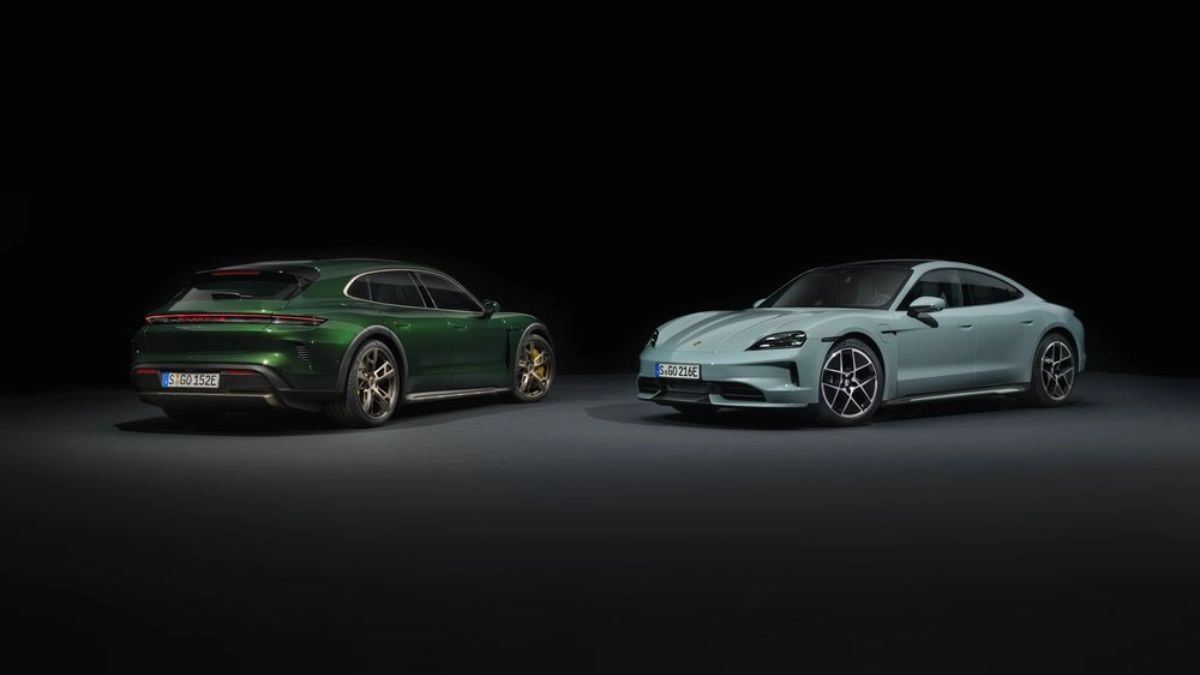

Porsche is going through one of the most delicate moments since it decided to bet heavily on electrification. The Taycan, which became one of the most desired luxury electric models on the market, is now forcing the German brand to take drastic measures to adapt to much lower than expected demand.
Read also: Dodge prepares a new sports car inspired by the Viper
The German firm has reduced the production rate at its Zuffenhausen plant, in Stuttgart, after verifying that interest in its electric sedan is no longer the same as it was just a few years ago. The company decided to eliminate one of the factory's work shifts and keep only one operational line active to assemble the model.
You can read: Serious safety problem affects thousands of Hondas and Acuras
The movement reflects the complicated scenario that the premium electric car market is currently experiencing. Although electric mobility continues to grow in different regions of the world, the pace is no longer as fast as brands projected before this decade.
The Taycan went from initial success to commercial slowdown
When Porsche launched the Taycan, the response was immediate. In just three years it managed to exceed 100,000 units sold globally, a very important figure for a high-performance, high-priced electric vehicle.
However, the landscape changed quickly. Registrations of the model suffered a drop of more than 12% last year, after having previously recorded a drop of close to 50% in some key markets. China, which had been one of the great commercial drivers of the Taycan, is now one of the territories where demand has cooled the most.
This decline has ended up directly affecting Porsche's industrial activity. The production structure of the German plant was designed to work at maximum capacity and any significant reduction in the volume manufactured has a full impact on profitability.
Porsche updated the Taycan, but the market did not react
The slowdown in sales also coincides with the arrival of a profound technical update of the Taycan. Porsche introduced significant improvements to the vehicle's electrical system, including more efficient motors, new power inverters and optimized batteries to increase both range and charging speed.
The brand hoped that these developments would help revitalize interest in the model, especially in the face of growing competition within the luxury electric segment. However, the global context ended up outweighing the mechanical improvements.
Today many buyers of premium vehicles seem to be slowing down their purchasing decisions regarding electric vehicles, something that is also beginning to seriously worry several European manufacturers.
The concern already reaches Porsche's next electric vehicles
Within Porsche there is concern about the effect that this situation may have on the company's future electric launches. The brand is preparing new electric versions of fundamental models for its business such as the Macan and the Cayenne, two SUVs that have historically sustained a large part of its global sales.
Meanwhile, the company's management is negotiating with worker representatives to reorganize part of the staff affected by the reduction in activity at the Taycan plant. The intention is to move employees to the production lines of models with combustion engines, where demand remains strong.
The problem for Porsche is that the Taycan's braking could become a much bigger red flag for its entire electric strategy in the coming years.