

Ex-military accused of leaking classified information to journalist
Courtney Williams, 40, of North Carolina, indicted by federal grand jury for leaking national security information
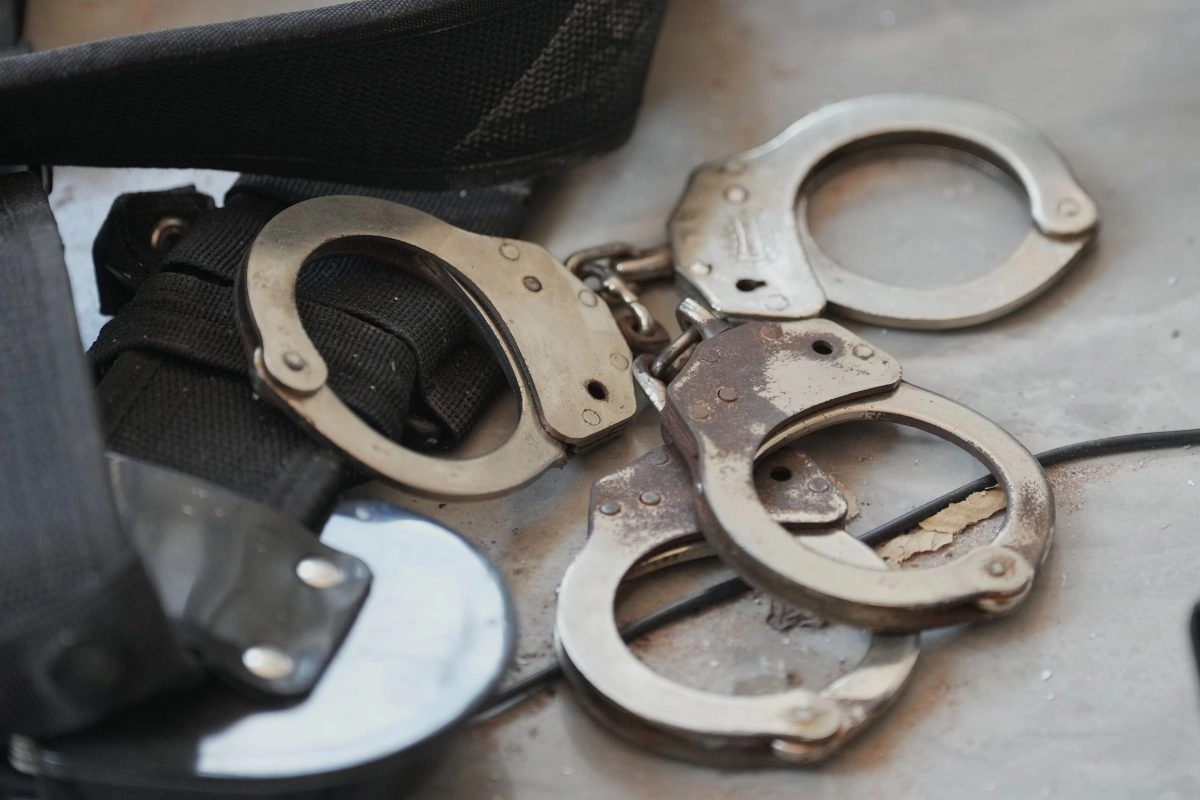

The Department of Justice announced the indictment of a former military officer for allegedly leaking classified national defense information to a journalist, in a case that reignites the debate about the boundaries between national security and freedom of the press.
The FBI arrested Courtney Williams, 40, of North Carolina, who was indicted by a federal grand jury in connection with the improper disclosure of national defense information. According to authorities, Williams allegedly transmitted classified information to unauthorized individuals, including a journalist, which represents a possible violation of the U.S. Espionage Act. Assistant Attorney General for Homeland Security John A. Eisenberg emphasized the seriousness of the case: “Those who hold security clearances assume a solemn obligation to protect the classified information entrusted to them.” According to court documents, Williams worked between 2010 and 2016 in a special military unit with access to top-secret information. Subsequently, between 2022 and 2025, she maintained constant contact with a journalist, with whom she exchanged more than 180 messages and had more than 10 hours of phone calls. Federal prosecutor Ellis Boyle stated, “We will file criminal charges to ensure security […] when we find leaks that put personal interests before national security.” Investigations indicate that some of the shared information was published in a book and newspaper articles, where Williams was directly cited as a source. Some of these statements contained classified data on military tactics and operations. In this context, FBI Deputy Director Roman Rozhavsky stated, “This indictment should serve as a serious warning […] if you endanger our national security by disclosing classified information without authorization, the FBI will hold you accountable.”This case comes amid growing tension between the government and the media on national security issues. President Donald Trump recently declared that he would demand a journalist reveal the source who reported on the disappearance of a pilot in Iran. Trump even warned that if the journalist refuses, he could face legal consequences: “If he doesn’t reveal his source, he should go to jail.” These statements have generated concern among press freedom organizations, which warn of potential government pressure to force journalists to reveal confidential sources.