

Checkmated by Control: Taliban Bans Chess in Afghanistan Over Religious Concerns
The Taliban government in Afghanistan has banned the game of chess citing religious concerns, sparking debates on cultural expression, freedom, and the future of intellectual games in the region.
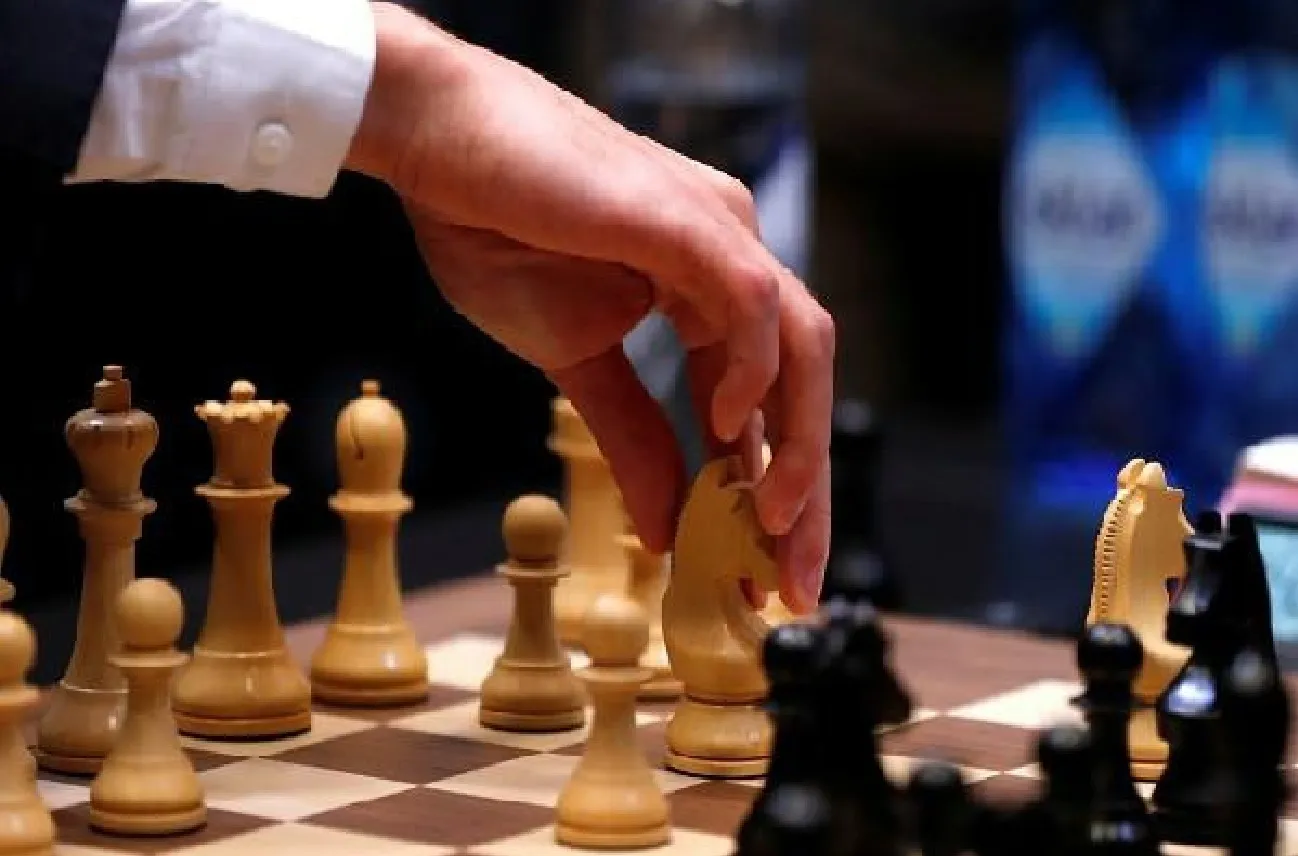

In yet another controversial move, the Taliban government in Afghanistan has officially banned the ancient board game of chess, citing “religious concerns” as the primary reason behind the prohibition. This development has sparked significant outrage and confusion both within Afghanistan and across the global community, as questions grow about the future of intellectual freedom, cultural expression, and leisure under Taliban rule.
The ban was first highlighted in a tweet that quickly went viral: “Taliban bans chess in Afghanistan over religious concerns.” While brief, the statement has unleashed a wave of criticism, curiosity, and concern among chess lovers, human rights advocates, and political observers alike. For many Afghans, it signals yet another rollback of freedoms in a nation already grappling with intense restrictions under the regime’s interpretation of Islamic law.
Chess: A Game of Intellect, Now a Target of Suppression
Chess, widely regarded as one of the oldest and most respected strategy games in human history, has been played in the region for centuries. Rooted in India and passed down through Persia to the Islamic world and Europe, it is a game deeply embedded in many cultures, including Afghanistan’s.
Traditionally, chess has not only served as a source of entertainment but also as a tool for cognitive development, strategic thinking, and educational growth. For many Afghan families, it was a means of bonding across generations, a quiet intellectual pursuit amid a turbulent geopolitical climate.
With this ban, the Taliban’s latest crackdown seems to blur the line between religious interpretation and cultural erasure. The justification provided is vague religious scholars aligned with the group reportedly claim that chess promotes gambling, distracts from religious obligations, and encourages idleness. These assertions, however, have little consensus among global Islamic scholars, many of whom argue that chess is a permissible and even beneficial pastime when played without betting or distraction from one’s duties.
Public Reaction: Outrage, Disappointment, and Defiance
The news has been met with widespread disapproval among Afghans, particularly the educated urban youth, who viewed chess as a safe and intellectually rewarding hobby. Many expressed disbelief over the decision, questioning the priorities of the Taliban government when the country faces significant challenges such as poverty, unemployment, and deteriorating infrastructure.
“It’s hard to believe that in a nation struggling to feed its people, the rulers find time to ban a board game,” said Parwiz Azizi, a university student in Kabul. “Chess never harmed anyone. It made us think, plan, and dream. Now they want to take that away too.”
Underground chess clubs have reportedly vowed to continue playing in secret, a quiet but firm act of resistance against what many perceive as unjustified repression.
Taliban’s Growing List of Bans: A Pattern of Control
The chess ban is only the latest in a series of restrictions imposed by the Taliban since their return to power in August 2021. The regime has previously prohibited women from attending secondary schools and universities, restricted female employment, and curtailed freedom of the press. Leisure and cultural activities have also been affected, with music, movies, and various forms of artistic expression banned or heavily monitored.
Analysts suggest that these moves are not merely about religious conservatism but are part of a broader strategy to assert ideological dominance and eliminate public spaces that encourage critical thought and social interaction.
“Chess is symbolic,” said international human rights expert Dr. Laila Farouqi. “It represents the power of strategy, of planning ahead, of free thinking. To the Taliban, that can be threatening.”
International Community Responds with Concern
The international response has been swift. Human rights organizations, cultural foundations, and even chess grandmasters have voiced concern over the Taliban’s decision. Amnesty International issued a statement calling the ban “an attack on cultural heritage and intellectual freedom,” urging the international community to hold the regime accountable for its increasingly regressive policies.
Meanwhile, Garry Kasparov, former world chess champion and a vocal advocate for democracy, tweeted: “Banning chess is not about religion it’s about fear of the human mind. The Taliban fears what it cannot control. Strategy, choice, and freedom are what chess teaches, and that terrifies dictators.”
Afghanistan’s Cultural Identity Under Siege
Afghanistan has long been a crossroads of civilizations, a place where diverse ideas, traditions, and innovations have converged. From its poetry to its architecture, and from its traditional music to its love of games like buzkashi and chess, the country has always held space for rich cultural expression.
With every new restriction, however, that identity faces further erosion. Artists, scholars, athletes, and now even hobbyists are finding themselves stifled, silenced, or in exile. The banning of chess is yet another blow to a society trying to preserve its soul amid authoritarian control.
“Culture is not just about art it’s about how people live, think, and grow,” said Professor Ahmad Wali, an Afghan cultural historian. “When you silence games, you silence minds.”
Looking Ahead: Resistance, Hope, and Global Solidarity
Despite the ban, the spirit of resistance continues to burn quietly among the Afghan people. Secret chess sessions are reportedly taking place in private homes, with some players using apps and online platforms to maintain their connection with the game.
Afghan expatriates and international chess communities are rallying in support, offering virtual coaching and creating digital tournaments dedicated to players in Afghanistan. Their message is clear: the board may be banned, but the game and what it represents lives on.
In a world increasingly polarized by politics and power, the banning of chess in Afghanistan serves as a reminder of what is at stake: not just the right to play, but the right to think, to strategize, and to challenge even in silence.
Checkmate or a New Opening?
The Taliban’s decision to ban chess in Afghanistan is more than just a policy change it is a symbolic checkmate against intellectual freedom and cultural expression. Yet, even as the move draws condemnation and concern, it also ignites a spark of resistance, resilience, and solidarity among those who believe in the enduring power of free thought.
In the quiet corners of Kabul, Herat, and beyond, the game might be played without boards or clocks but with unwavering resolve. And in that resistance, Afghanistan may yet find its next great move.