

Guatemalan immigrant dies in ICE custody in Texas; Similar deaths set a record
According to official data, between 20 and 22 people have died this year in ICE custody, making it the deadliest in two decades, surpassed only by 2004
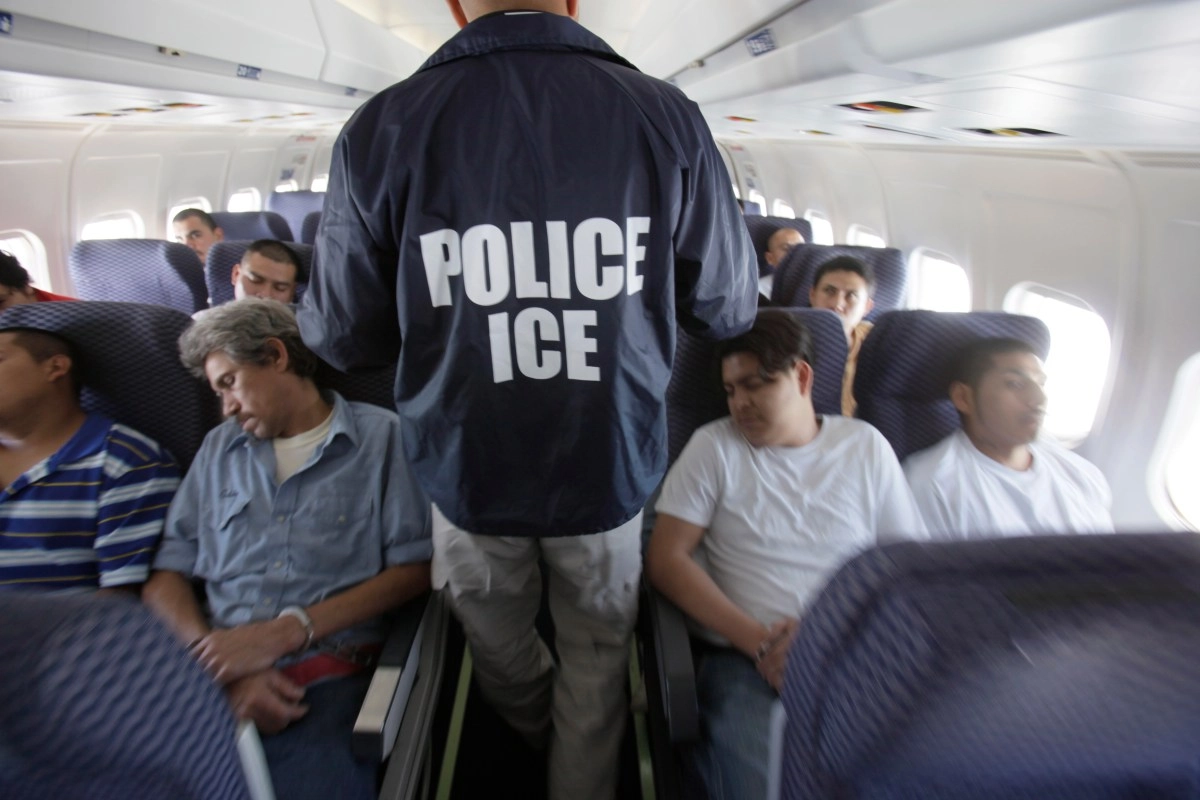

A 48-year-old Guatemalan citizen, identified as Francisco Gaspar-Andres, died in an El Paso, Texas hospital while in the custody of U.S. Immigration and Customs Enforcement (ICE), the federal agency said in a statement.
The death occurred at 5:53 a.m. local time on December 3 of this year at The Hospitals of Providence East, where he had been admitted since November 16.
According to ICE, Gaspar-Andres was pronounced dead by medical professionals, and although the cause of death is unknown, medical personnel attributed it to natural liver and kidney failure. From the moment his health crisis was reported, ICE medical personnel ensured he received constant, high-quality care. Gaspar Andres told immigration officials that he entered the United States illegally by crossing the international border on foot from Mexico at a location not designated as a port of entry. On September 1, Florida Highway Patrol (FHP) officers, in collaboration with the Miami Enforcement and Removal Operations (ERO), arrested Gaspar Andres as part of a planned enforcement operation. ERO deportation officers confirmed that Gaspar Andres was residing illegally in the country, detained him, and processed him at the Krome South Processing Center in Miami. On September 4, he was admitted to West Kendall Hospital in Miami for medical treatment due to alcohol withdrawal. He was discharged on September 7 and returned to the Krome South Processing Center. On September 19, ERO Miami transferred him to ERO El Paso, and he remained detained at the Camp East Montana Detention Center in El Paso pending his deportation proceedings. Contracted medical staff at Camp East Montana treated Gaspar Andres for acid reflux and headaches on September 23.
ERO Miami filed a motion to change venue with the Executive Office for Immigration Review on September 26 to continue deportation proceedings in El Paso.
Again, on September 27, October 2, and October 9, medical staff at Camp East Montana treated Gaspar-Andres for acid reflux and allergy symptoms, acid reflux and heartburn, and indigestion and heartburn, respectively.
EOIR El Paso scheduled his immigration hearing for October 14, and he continued to receive medical treatment between November 3 and 13 for a variety of ailments, including dizziness, flu-like symptoms, bleeding gums, a sore throat, and body aches.
On November 14, an immigration judge ordered Gaspar-Andres's deportation to Guatemala.
During the following days, the medical staff at Camp East Montana continued to treat him for fever, body aches, a productive cough with phlegm, jaundice, severe edema in his left lower extremity, and hypertension. On November 16, he was admitted to Providence Hospitals due to low sodium levels. Three days later, the hospital's medical staff diagnosed him with hyponatremia. Days later, Gaspar Andres was lethargic and showed little improvement. He received antibiotics and intravenous fluids. On November 19, an MRI revealed that Gaspar Andres had pansinusitis. The hospital's medical professionals continued treatment and attempted to identify the source of the infection, as his condition continued to deteriorate and he remained septic. He was intubated on November 21st and on November 24th was placed on the liver transplant waiting list and received dialysis and palliative care. On November 26th, hospital medical staff reported that Gaspar-Andres was receiving hemodialysis and was visited by a priest. He continued on dialysis until December 1st, when he was transferred to the Intensive Care Unit due to hypotension during dialysis. His health continued to deteriorate, and he was diagnosed with kidney failure and internal bleeding. Medical staff administered supplemental oxygen for his comfort. He was declared dead on December 3.
Unsanitary Immigration Detention Centers
Organizations such as Amnesty International, Human Rights Watch, and local legal groups have for years documented conditions they describe as cruel, inhuman, and degrading at immigration detention centers where the Guatemalan man was held, including Krome and the ICE mega-camp at Fort Bliss known as Camp East Montana.
Testimonies and reports point to a recurring pattern: overcrowding, extreme temperatures,Overcrowded or filthy toilets, very limited access to showers, poor food, constant lighting, and widespread use of solitary confinement, along with serious delays or denials of medical and mental health care, in some cases linked to preventable hospitalizations and deaths in custody.
Under the Trump administration, multiple reports from human rights organizations, academics, and the media have denounced an increase in the widespread use of immigration detention, including for people with no serious criminal record or any criminal history at all.
According to ICE data, between 20 and 22 people have died in their custody in 2025, making this year one of the deadliest in the last two decades, second only to 2004.
The case of Gaspar-Andres reinforces criticism of the treatment of detained migrants and raises questions about U.S. immigration and detention policies.