

Iran says it will not accept agreements with the US without “tangible results”
The chief negotiator said Tehran distrusts the enemy's words and promises. Shortly before, Donald Trump said he was in no hurry to sign an agreement
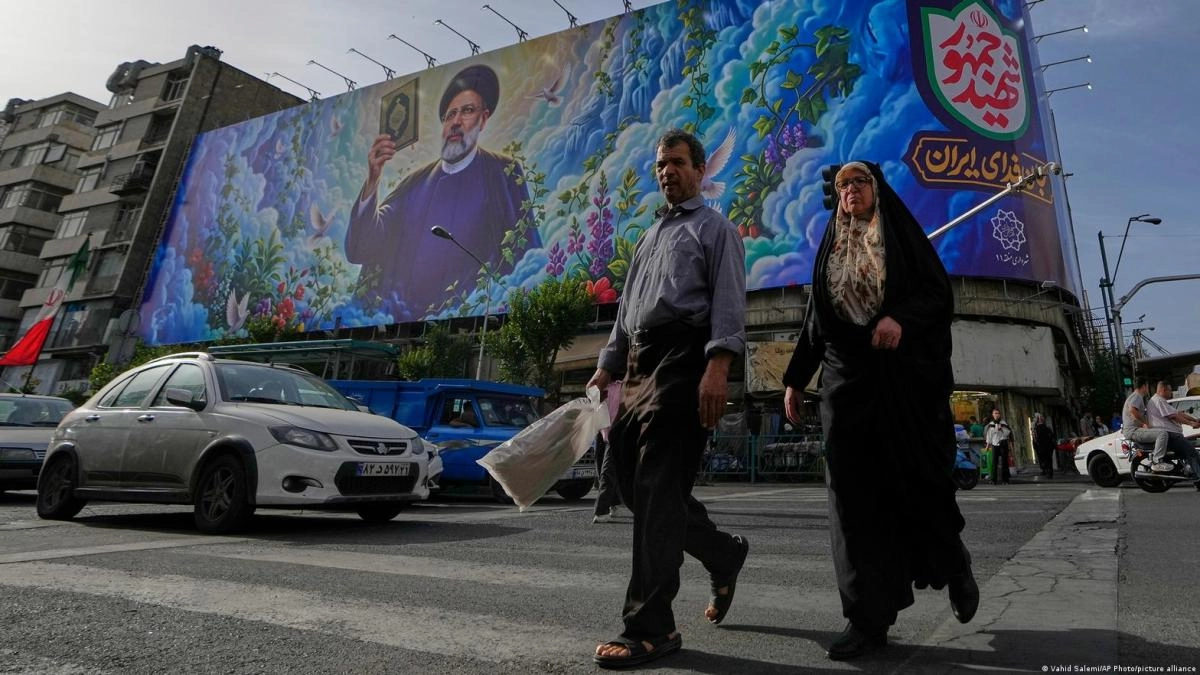

The government of Iran assured this Sunday that it will not accept any agreement with the United States to end the war without obtaining "tangible results" that guarantee its rights, since Tehran does not trust "neither the words of the enemy nor its promises", after the US president, Donald Trump, stated that he is in no hurry to sign a "good agreement" with Tehran.
"The soldiers on the diplomatic front have no confidence in the words or promises of the enemy. The only thing that counts for us are the tangible results that we must obtain before assuming our own commitments," said the speaker of Parliament and chief Iranian negotiator, Mohamad Baqer Qalibaf, during a virtual session of the Legislature.
Qalibaf, former commander of the Revolutionary Guard, maintained that “the achievements obtained” by the country on the battlefield must now be translated into “political and legal benefits” through diplomacy. “As long as we are not sure that we have obtained the rights of the Iranian people, we will not approve any agreement,” he stressed, without specifying which rights he was referring to.
“This is going slowly”
These statements came after Trump stated in an interview with Fox News on Saturday night that he is in no rush to achieve a “good” peace deal with Iran. "This is going slowly, it takes a long time. I'm not in a hurry. If you're in a hurry, you're not going to get a good deal," said Trump, who warned that, if he doesn't get the deal he wants, he will attack the Islamic Republic again.
Iran views the lifting of sanctions and the release of its frozen assets in foreign banks as some of its key rights that must be guaranteed under any deal with the United States. Likewise, Tehran has until now defended its right to enrich uranium for peaceful purposes, although before the war with Israel and the United States it had shown itself willing to discuss the level of enrichment permitted.