

Ibogaine, the substance banned in the US that is used in Mexico to treat addictions
Among those who cross the border to receive this type of therapy are retired military personnel, celebrities, and athletes
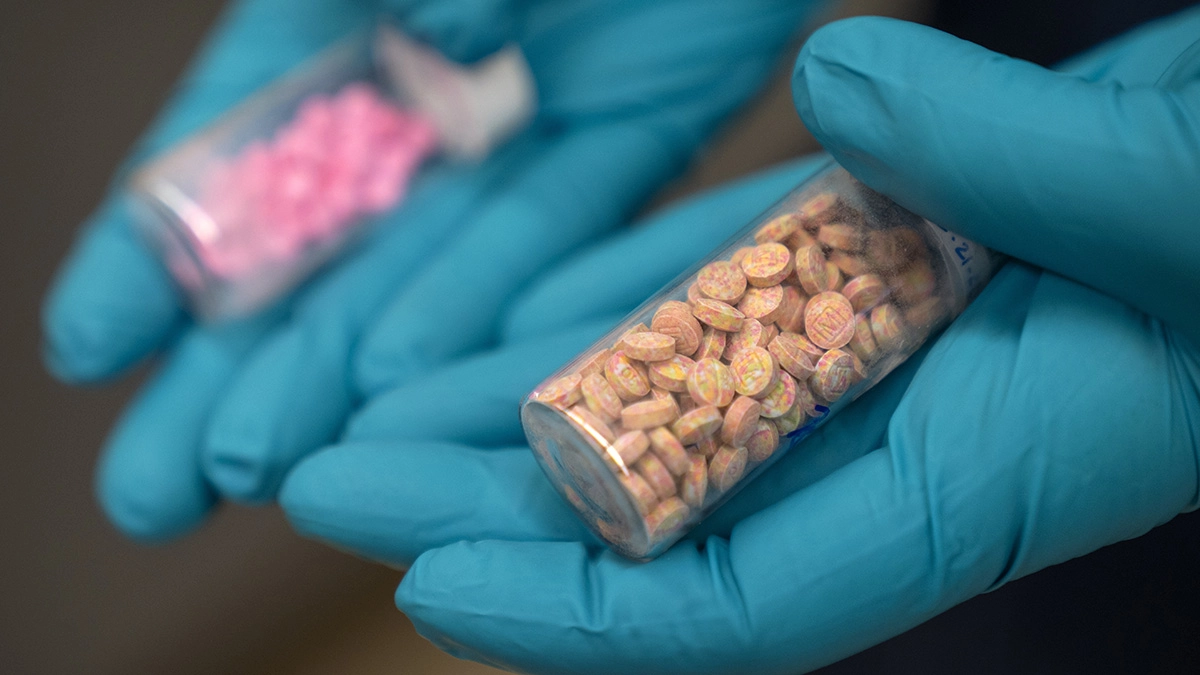

Ibogaine, a psychoactive alkaloid obtained from the root of the African shrub Tabernanthe iboga, has become a magnet for Americans seeking alternatives to deal with serious addictions or post-traumatic stress disorder (PTSD). Although its use is prohibited in the United States, clinics in Mexican tourist cities—such as Tijuana, Rosarito, Tulum, and Los Cabos—offer treatments that combine accounts of profound recovery with severe medical warnings. Its origins are ancient: communities in Gabon, Cameroon, and the Republic of Congo have used it in spiritual rituals for generations. In recent decades, however, the substance has gained international notoriety due to reports suggesting its ability to interrupt opioid use, reduce withdrawal symptoms, and alleviate depression and anxiety. Preliminary studies, including work from Stanford Medicine, suggest that under strict medical supervision—with continuous cardiac monitoring and the use of magnesium to reduce the risk of arrhythmias—ibogaine could lessen PTSD symptoms and improve cognitive function in veterans with traumatic brain injuries. Among those who cross the border to receive these therapies are retired military personnel, celebrities, and athletes. Marcus Capone, a former Navy SEAL, arrived in Mexico after years of battling depression, anxiety, and alcoholism. He claims his treatment in Tijuana marked a profound change after living on the edge and experiencing suicidal episodes, according to the website La Silla Rota. Public figures such as former basketball player Lamar Odom and former stockbroker Jordan Belfort have also said that ibogaine helped them overcome opiate addictions. More recently, Irish fighter Conor McGregor stated on social media that a "hallucinogenic treatment" in Tijuana led him to a kind of spiritual revelation that—according to him—allowed him to rethink his life after a year marked by criminal charges and problematic substance use. Treatments typically last between one week and ten days and cost between 3,000 and 20,000 pesos.$000, figures that have turned these clinics into an opaque market, without federal regulation, where testimonials of relief coexist with varying medical protocols.
Research conducted in Mexico between 2012 and 2015 reported that eight out of ten patients treated with ibogaine experienced relief from opioid withdrawal symptoms. Approximately one-third reported maintaining abstinence after therapy; half of that group remained sovereign for at least a year. In another small study, conducted in New Zealand, 14 out of 20 patients reduced their opioid use after low doses of ibogaine, although one person died during the process and several relapsed over time.
Veterans treated under protocols linked to Stanford showed notable reductions in anxiety, depression, and PTSD symptoms one month after treatment. Improvements in memory, concentration, and cognitive performance were also observed.
Serious Risks and a Regulatory Gap
The other side of this therapy is its risks. Studies have documented that ibogaine and its metabolite, noribogaine, can alter cardiac repolarization, prolong the QT interval, and trigger potentially fatal arrhythmias. An observational analysis revealed that half of the patients with opioid dependence reached a QTc greater than 500 milliseconds, a threshold considered high risk. Severe ataxia—loss of coordination—is an almost universal effect in the first few hours of the trance.
Experts agree that, even with therapeutic potential, the substance requires continuous monitoring, trained personnel, and strict selection criteria. In Mexico, however, ibogaine is neither prohibited nor regulated: it circulates in a legal limbo that allows its use without health certification, opening the door for clinics that operate as retreat centers or psychedelic spas, offering everything from ibogaine to sessions with 5-MeO-DMT, known as "sapo" (toad). Carlos Rius, an academic at UNAM (National Autonomous University of Mexico), emphasizes that the available studies are scarce, with small sample sizes and results that are difficult to generalize. He warns that ibogaine's toxicity can be lethal and that its popularity is growing faster than the scientific evidence supporting its safety. Approximately one-third reported maintaining abstinence after therapy; half of that group remained sovereign for at least a year. In another small study, conducted in New Zealand, 14 of 20 patients reduced their opioid use after low doses of ibogaine, although one person died during the process and several relapsed over time. Veterans treated under protocols linked to Stanford showed notable reductions in anxiety, depression, and PTSD symptoms one month after treatment. Improvements in memory, concentration, and cognitive performance were also recorded. Serious Risks and a Regulatory Gap: The other side of this therapy is its risks. Studies have documented that ibogaine and its metabolite, noribogaine, can alter cardiac repolarization, prolong the QT interval,and trigger potentially fatal arrhythmias. An observational analysis revealed that half of the patients with opioid dependence reached a QTc interval greater than 500 milliseconds, a threshold considered high risk. Severe ataxia—loss of coordination—is an almost universal effect in the first hours of the trance. Specialists agree that, even with therapeutic potential, the substance requires continuous monitoring, trained personnel, and strict selection criteria. In Mexico, however, ibogaine is neither prohibited nor regulated: it circulates in a legal limbo that allows its use without health certification, which opens the door for clinics that operate as retreat centers or psychedelic spas, offering everything from ibogaine to sessions with 5-MeO-DMT, known as "sapo" (toad). Carlos Rius, an academic at UNAM (National Autonomous University of Mexico), emphasizes that the available studies are scarce, with small samples and results that are difficult to generalize. It warns that ibogaine's toxicity can be lethal and that its popularity is growing faster than the scientific evidence supporting its safety. Approximately one-third reported maintaining abstinence after therapy; half of that group remained sovereign for at least a year. In another small study, conducted in New Zealand, 14 of 20 patients reduced their opioid use after low doses of ibogaine, although one person died during the process and several relapsed over time. Veterans treated under protocols linked to Stanford showed notable reductions in anxiety, depression, and PTSD symptoms one month after treatment. Improvements in memory, concentration, and cognitive performance were also recorded. Serious Risks and a Regulatory Gap: The other side of this therapy is its risks. Studies have documented that ibogaine and its metabolite, noribogaine, can alter cardiac repolarization, prolong the QT interval, and trigger potentially fatal arrhythmias. An observational analysis revealed that half of the patients with opioid dependence reached a QTc interval greater than 500 milliseconds, a threshold considered high risk. Severe ataxia—loss of coordination—is an almost universal effect in the first hours of the trance. Specialists agree that, even with therapeutic potential, the substance requires continuous monitoring, trained personnel, and strict selection criteria. In Mexico, however, ibogaine is neither prohibited nor regulated: it circulates in a legal limbo that allows its use without health certification, which opens the door for clinics that operate as retreat centers or psychedelic spas, offering everything from ibogaine to sessions with 5-MeO-DMT, known as "sapo" (toad). Carlos Rius, an academic at UNAM (National Autonomous University of Mexico), emphasizes that the available studies are scarce, with small samples and results that are difficult to generalize.It warns that ibogaine's toxicity can be lethal and that its popularity is growing faster than the scientific evidence supporting its safety. a threshold considered high risk. Severe ataxia—loss of coordination—is an almost universal effect in the first hours of the trance.
Specialists agree that, even with therapeutic potential, the substance requires continuous monitoring, trained personnel, and strict selection criteria. In Mexico, however, ibogaine is neither prohibited nor regulated: it circulates in a legal limbo that allows its use without health certification, which opens the door for clinics that operate as retreat centers or psychedelic spas, offering everything from ibogaine to sessions with 5-MeO-DMT, known as “sapo” (toad).
Carlos Rius, an academic at UNAM (National Autonomous University of Mexico), emphasizes that the available studies are scarce, with small samples and results that are difficult to generalize. He warns that the toxicity of ibogaine can be lethal and that its popularity is growing faster than the scientific evidence that supports its safety.