

Immigrant self-deports out of despair after being detained in error by ICE
Ramon Rodriguez had lived in the United States for more than 15 years
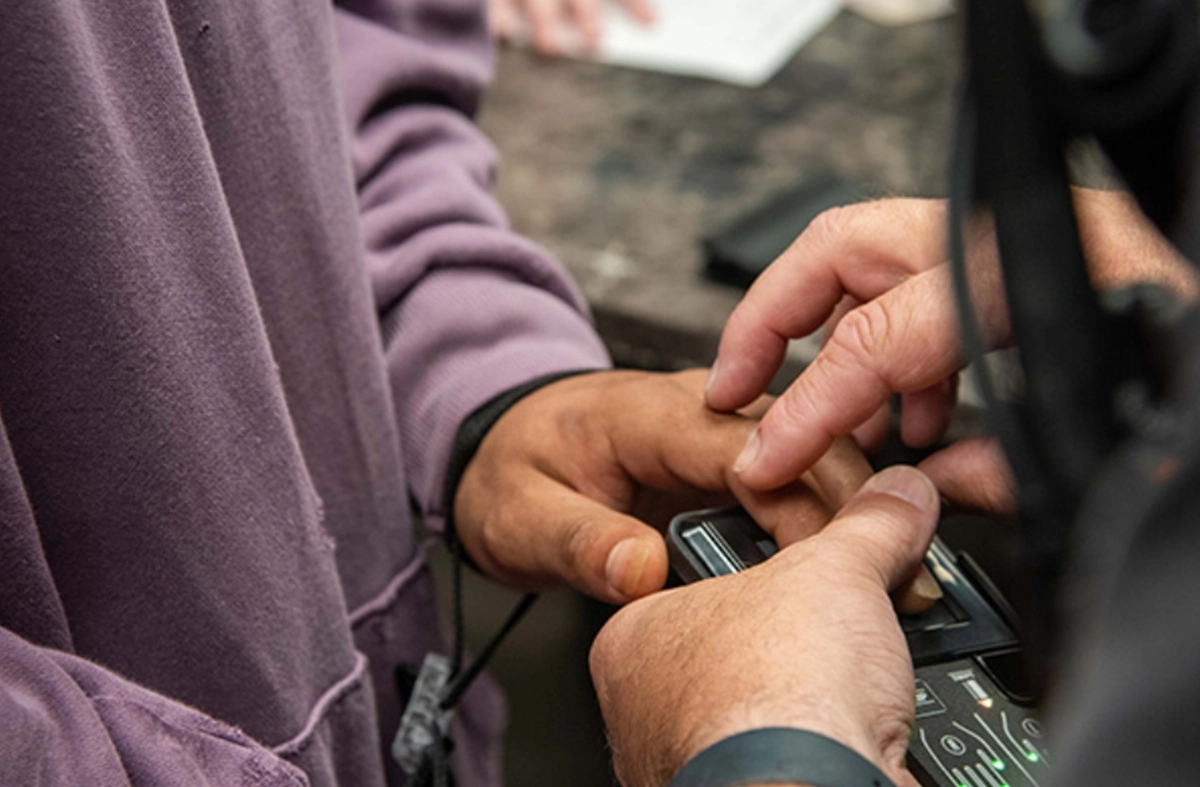

For more than a decade, Ramon Rodriguez Vazquez worked in the agricultural fields of Washington state, where he started a family and integrated into a community that considered him an honest, hard-working man. At 62, everything changed when immigration agents came to his home looking for someone else and ended up arresting him.
With no criminal record and with the support of neighbors, friends, and his employer, he remained in Immigration and Customs Enforcement (ICE) custody without bail. According to the AP, his detention marked the beginning of a process that pushed him to the physical and emotional limit, until he decided to leave the country on his own.
An unjustified arrest and an extreme decision
According to reports, Rodriguez was detained on February 5 and transferred to the ICE detention center in Tacoma, Washington. Despite letters of support and his work history at AG Management, a judge denied him bail in March.
During his confinement, his health deteriorated rapidly; He suffered from high blood pressure and didn't always receive his medication.
According to the AP, the pressure of not being able to care for his family, especially a sick granddaughter, and the constant uncertainty led him to ask a judge for permission to leave the country without a formal deportation notice. His request was granted, and he returned to Mexico alone, leaving behind his wife, four children, and 10 grandchildren.
An exemplary worker trapped in the immigration system
According to court documents reviewed by local media, Rodriguez had lived in the United States since 2009. His boss praised his work ethics and commitment to the community, while his wife, Gloria Guizar, described his absence as devastating: "He was the pillar of our family, the one who took care of everything," she said.
Before leaving, according to Telemundo, Rodriguez became one of the lead plaintiffs in a legal action seeking to restore the right of detained immigrants to request bail.
In September, a federal judge ruled that denying bail hearings was illegal, But the ruling came too late for him.
His story has become a symbol of the exhaustion faced by thousands of immigrants in the United States, trapped between endless procedures and increasingly restrictive policies. For his family, their voluntary return was not a free choice, but rather the result of desperation and exhaustion accumulated after months of confinement.