
Senate Republicans are exploring ideas to reduce “waste, fraud, and abuse” in Medicare, several senators said Thursday, as they explore ways to reconcile Trump's “beautiful” law.
The Congressional Budget Office (CBO) confirmed Thursday that the cost of the budget package passed by the House of Representatives would approach $3 trillion over a decade once additional interest on the debt is included.
Meanwhile, concerns about shifting Medicaid costs to the states have not abated, and at the same time, it’s clear the Senate Agriculture Committee would have to significantly scale back the cuts within its panel’s jurisdiction, passed by the House of Representatives.
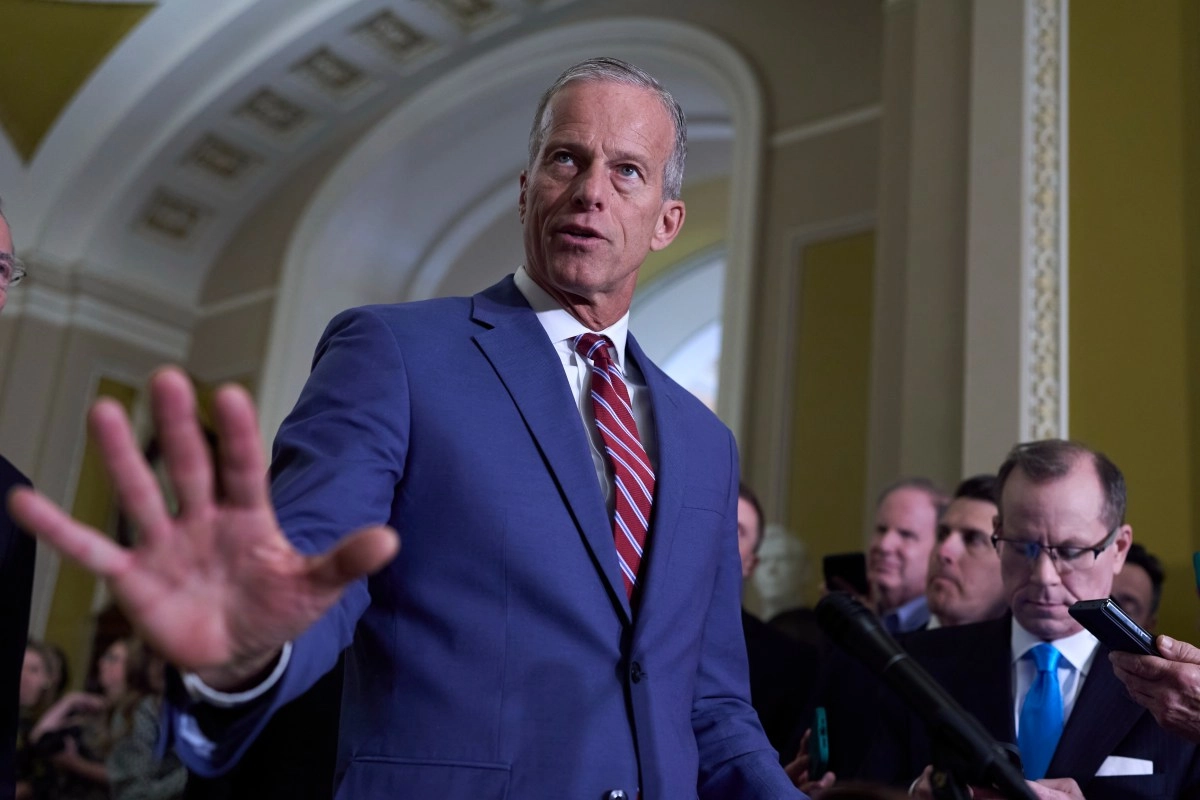
Senate Majority Leader John Thune, R-S.D., acknowledged for the first time Thursday that Medicare, which covers about 20% of the U.S. population, mostly seniors, could be considered.
“I think anything we can do that is waste, fraud and abuse is open to discussion,” Thune said when asked if Medicare cuts are being considered.
Trump backed possible Medicare cuts
The money-saving changes to Medicaid have already sparked controversy among some Republicans. Medicare could cause further divisions.
“The president is willing to eliminate waste, fraud, and abuse everywhere,” Sen. Ron Johnson (R-Wisconsin) told Axios about the White House meeting he attended Wednesday night, “and that extends to Medicare as well.”
“What the president made clear is that he doesn’t want to see cuts to beneficiaries,but to combat… waste, fraud, and abuse,” said Sen. Steve Daines (R-Mont.), clarifying that Trump opened Medicare as an option at the meeting.
Politico was first to report on the Medicare talks.
One possibility being discussed is a bill by Sen. Bill Cassidy (R-Louisiana), co-sponsored by Sen. Jeff Merkley (D-Ore.), that would generate savings for the Medicare Advantage program.
The bill would clamp down on an insurer practice known as “overcoding,” in which health insurers classify patients as sicker to get larger payments from the government.
A crackdown on the practice also has some support from Democrats but would certainly draw opposition from the health insurance industry.