

Iran accuses the US of violating the peace agreement after new bombings and threatens to respond
The new escalation puts at risk the fragile memorandum signed just two weeks ago and increases tension in the Strait of Hormuz
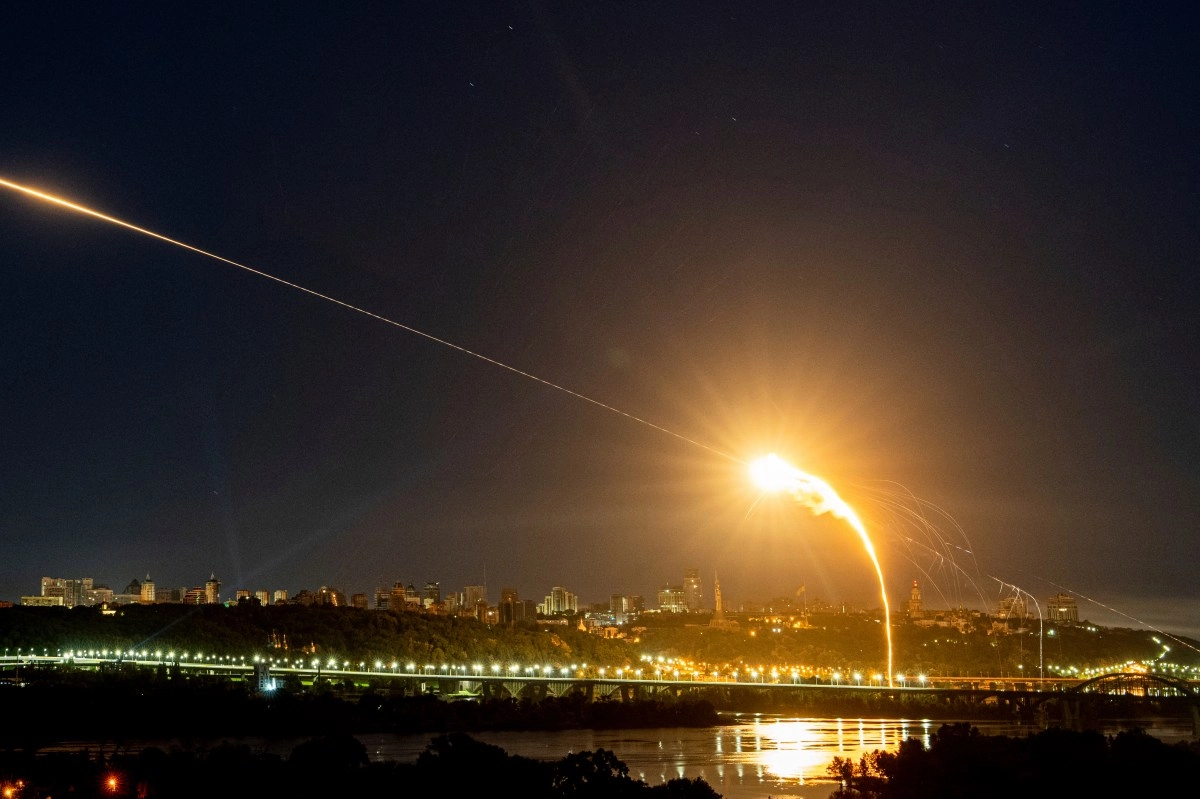

This Sunday, Tehran again accused the United States of failing to comply with the memorandum of understanding signed by both nations to end months of clashes, after the North American army launched a new series of bombings against surveillance and monitoring facilities located on the southern coast of Iran.
In a statement, the Iranian Ministry of Foreign Affairs described the attacks as a “flagrant violation” of Article 2 of the United Nations Charter and the first clause of the peace agreement, considering that Washington once again resorted to the use of force despite the commitment to cease hostilities.
“These savage attacks demonstrate that the US regime does not attach the slightest value or credibility to its commitments,” stated the Iranian Foreign Ministry, which also maintained that “non-compliance with agreements is part of the nature” of the United States.
The Iranian government also recalled that it is up to the UN Security Council and the Secretary General, António Guterres, to act to preserve international peace and security. At the same time, he reiterated that the Islamic Republic will exercise its right to self-defense, provided for in Article 51 of the UN Charter, to protect its sovereignty and territorial integrity.
The new accusations come after the United States carried out a second wave of bombings in less than 48 hours against Iranian military targets, in an offensive that, according to Washington, responded to the drone attack attributed to Iran against an oil tanker transiting the Strait of Hormuz.
The White House maintains that the operations seek to protect commercial shipping on one of the most important energy routes in the world, while Tehran claims that the attacks constitute unjustified aggression that breaks the commitments made in the recent peace agreement.
Hours after the US bombings, the Iranian Revolutionary Guard launched drones and missiles against US military targets located in Kuwait and Bahrain, in addition to warning that it will act “more firmly than before” against any vessel it considers violating in the Strait of Hormuz.
The cross attacks have increased the risk for maritime traffic in a route through which a significant part of the global oil and gas trade circulates, causing concern in international markets and among major energy importers.