

My mom is dead and my dad mistreated me: the case of the girl that the Trump government is trying to deport to Guatemala
Hundreds of Guatemalan minors who entered the U.S. alone could be deported. A judge temporarily blocked the measure.
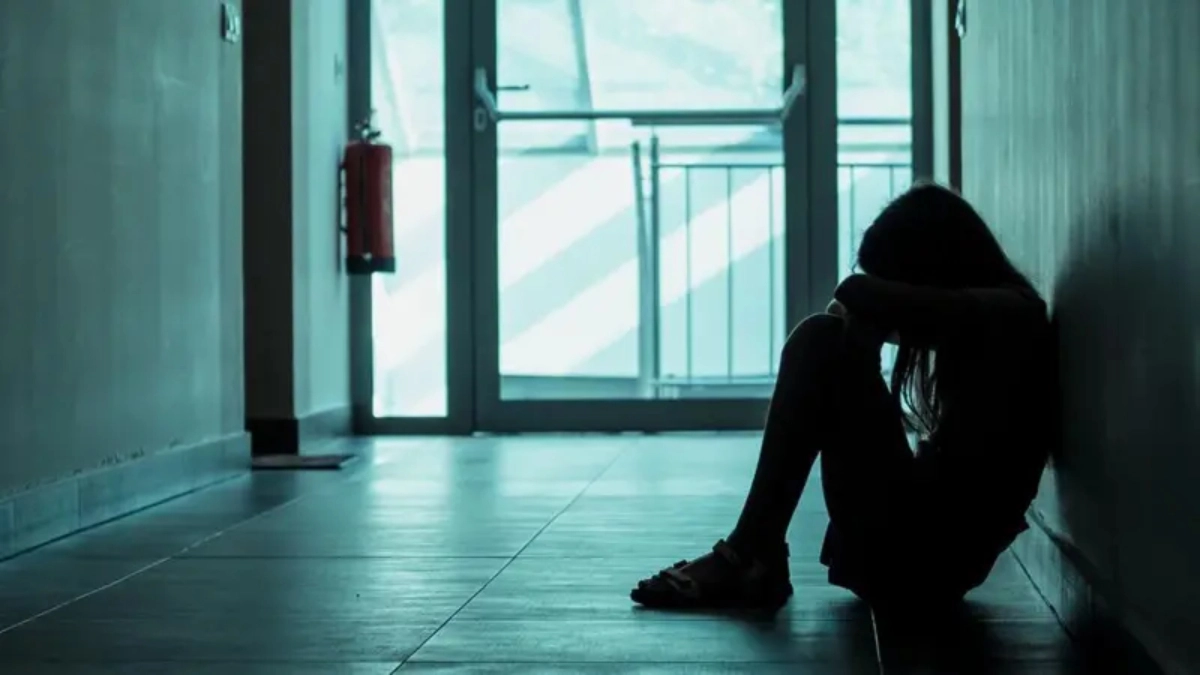

She was sleeping when she was suddenly awakened in the middle of the night.
They told her to put in a bag some of her belongings and get rid of the rest because she had to return to Guatemala.
Why do they want to send me back? the girl asked in a low voice, not understanding what was happening, according to the account of Gladys Hernandez, an attorney with the Young Center's Child Advocates Program.
It was early Sunday morning when the little girl and other Guatemalan children living in a shelter in Texas for migrant minors received the news that they were being returned to their country of origin.
Gladys Hernandez was at home when she received a phone call on Saturday at 10:50 at night asking her to go to the shelter immediately. The deportation of the minors was imminent.
“We saw how the minors were packing their belongings, we saw them crying, terrified and confused,” she explained in an interview with BBC Mundo.
The lawyer approached the girl (under 12 years old) who had asked her why they wanted to send her back to Guatemala, to calmly explain what was happening. Hernandez says the girl told her disconsolately:
“My mom is dead and my dad abused me, why do you want to hurt me?”
Amid the children’s agitation and anguish, the lawyer says, the most important thing for the girl at that moment was to find her stuffed animal.
After several hours of uncertainty, the children were finally not deported, thanks to the fact that federal judge Sparkle L. Sooknanan accepted a lawsuit filed by an organization that defends the rights of migrants and blocked until September 14 the deportation of hundreds of undocumented Guatemalan children and adolescents who entered the United States alone, including those at the Texas shelter.
“The judge has them kidnapped”
The Donald Trump administration has argued that the plan to deport the minors is intended to reunite them with their families in Guatemala.
The initiative, authorities explain, was proposed by the Guatemalan government itself.
The judge “is effectively kidnapping these migrant children and refusing to allow them to return home to their parents in their home country,” Stephen Miller, deputy director of the White House Policy Staff and national security adviser, wrote on the social network X.
Considered one of the architects of the Trump administration’s immigration policy, Miller blamed the administration of former President Joe Biden for the presence of unaccompanied minors in the country, stating that they were left “orphaned in the United States.”
“All of the minors have declared that their parents are in Guatemala,” he wrote on X, a claim that lawyers for The minors deny it.
BBC Mundo requested comment from the Department of Homeland Security and the Department of Health and Human Services of the government - under which the Office of Refugee Resettlement, the agency in charge of the custody of the minors, depends - but has not received a response.
Guatemala proposes two paths: voluntary return or by order of a judge
The authorities of the Central American country affirm that the family reunification plan is their initiative that they proposed in July to the US government, when the US Secretary of Homeland Security, Kristi Noem, visited Guatemala.
In response to the request for comment made by BBC Mundo, the Guatemalan Foreign Minister, Carlos Ramiro Martinez Alvarado, argued in a written statement that his government "expressed its concern about the return of adolescents between 15 and 17 years old, who, upon turning 18, go from reception centers to ICE detention centers," the Immigration and Customs Enforcement Service of Guatemala. U.S.
“Guatemala is ready to receive the minors, either through voluntary return or by order of a judge,” the statement says.
The document also notes that the decision on the number of minors, flights, and the pace of return is up to the U.S.
A few days ago, the Guatemalan government estimated that more than 600 unaccompanied minors from the Central American country have entered the United States.
Attorneys representing some of the Guatemalan minors say the weekend operation did not follow legal procedures.
Alexa Sendukas, an attorney with the Galveston-Houston Immigrant Representation Project (GHIRP),She maintains that the attempt to deport the minors was an “unprecedented” action.
“I have spoken to many minors in custody and some are afraid to return because they suffered abuse in their country,” Sendukas says in an interview with BBC Mundo.
The lawyer argues that all cases are different and that there are minors whose relatives live in the United States and are trying to stay with them.
In the case of minors who voluntarily wish to return to their country, she adds, they must request it before an immigration judge and that judge must approve it. “They can’t be removed from their shelters in the middle of the night without due process,” Sendukas argues.
Franzied Hours
Judge Sooknanan’s temporary halt to the deportation of the Guatemalan children and adolescents was an emergency ruling, issued when dozens of minors were already on the planes that were to take them from Texas to their country.
When lawyers realized the deportations were imminent, they filed a class-action lawsuit on behalf of 10 minors between the ages of 10 and 17, whose names are known only by their initials to protect their identities.
The lawsuit, filed by the National Immigration Law Center (NILC), states that the deportation of the minors constitutes a “clear violation of the unequivocal protections that Congress has granted them as vulnerable children.”
Recognizing their vulnerability, it continues, “Congress has created a special legal regime to ensure that unaccompanied minors receive greater protection.”
Among the regulations that protect them, the lawyers argue, are the Trafficking Victims Protection Act passed in 2008, the Immigration and Nationality Act, and the constitutional right to due process.
After the judge’s ruling, attorney Drew C. Ensign, representing the government, reported that 76 minors “were disembarked” from the planes.
As representatives of the Trump administration pointed out on social media, Ensign maintained that the flights were not part of a deportation effort, but rather a reunification of the minors with their families in Guatemala.
They also indicated that the Guatemalan government and the minors’ families had requested the reunifications.
Relatives in Guatemala
The same Sunday that US courts temporarily blocked the departure of the planes that were supposed to take the minors back to their country, in Guatemala City some relatives were anxiously awaiting their return at an air base.
According to the local press,Dozens of people were gathered at a reception center for returned migrants when news broke that the minors would not be returning at that time.
Xiomara Lima told the newspaper Prensa Libre that her son, Gerson Gabriel Gregoria Lima, 17, called her to tell her he would be returning to Guatemala.
“Now we don’t know when he will return,” she lamented.
Other relatives also saw their expectations dashed after having hoped for the return of their loved ones.
But not all cases are the same.
In Arizona, for example, the Florence Immigrant and Refugee Rights Project filed a lawsuit on behalf of dozens of Guatemalan minors living in shelters in the cities of Phoenix and Tucson.
Two of the plaintiffs, a 10-year-old boy and his 3-year-old sister, “have no family in Guatemala and do not wish to return,” the organization said.
Another of its clients, the lawyers explained, is a 12-year-old asylum seeker with chronic kidney disease who requires dialysis to survive.
In recent years, tens of thousands of children and adolescents, mainly from Central America, have entered the United States alone.
Once they enter the country, they are taken into government custody and live in a network of shelters or foster care programs overseen by the Office of Refugee Resettlement, which is part of the Department of Health and Human Services.
Some have won the right to remain in the U.S. by proving they were abandoned or persecuted in their home countries and fled violence. Others have not.
For now, the hundreds of Guatemalan minors at risk of deportation continue to live in the shelters that have taken them in. Their future depends on how the battle plays out in court.