

The US and Iran agree to stop attacks and will resume dialogue in Qatar on the Strait of Hormuz
The truce, signed on June 17 through a memorandum of understanding, hangs by a thread after an intense escalation of violence over the weekend
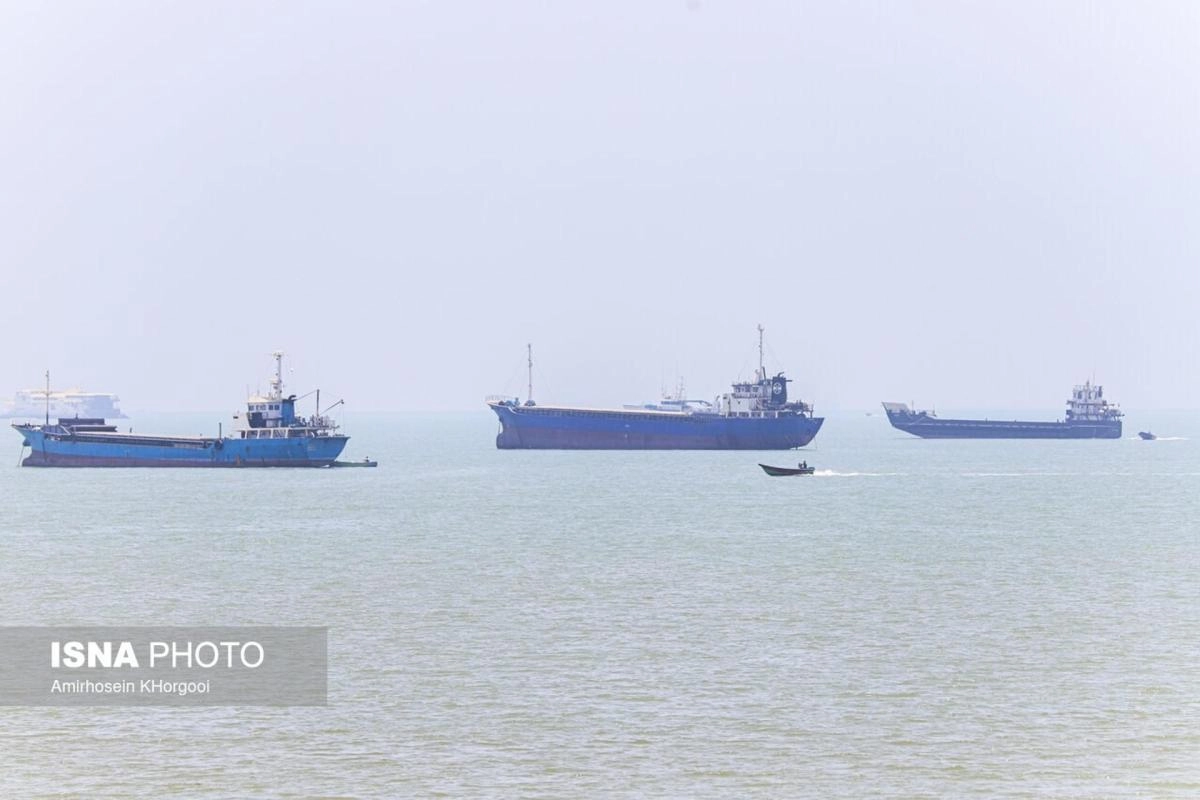

The United States and Iran reached a new agreement to suspend attacks related to the crisis in the Strait of Hormuz and will sit down to negotiate again next Tuesday in Doha, Qatar, in an attempt to avoid a new military escalation that puts at risk one of the most strategic sea routes for global energy trade.
According to US officials cited by various media, both parties decided to stop military operations while technical talks arising from the memorandum of understanding signed in mid-June continue. The pact seeks to keep navigation through the strait open and simultaneously advance negotiations on the Iranian nuclear program.
The agreement comes after several days of clashes and cross accusations of non-compliance with the ceasefire. Over the weekend, Washington and Iran blamed each other for new attacks in the region, raising concerns about a possible resumption of the conflict.
According to US officials, commercial ships will be able to continue to transit freely through the strait while the talks take place. Although the meeting was originally scheduled to take place in Switzerland, the increase in tensions led to it being moved to Doha and the agenda being concentrated on the situation in the Strait of Hormuz.
Disagreements persist over control of the sea route
The differences between both nations continue to focus on the interpretation of the memorandum of understanding and, especially, on the administration of the Strait of Hormuz, through which approximately a fifth of the oil and liquefied natural gas sold in the world normally circulates.
Iran maintains that ships must use a corridor close to its coasts and has warned that any attempt to establish different routes will increase tensions in the region. The Iranian Foreign Minister, Abbas Araghchi, assured that imposing mechanisms different from those promoted by Tehran would only delay the normalization of maritime transit.
Controversy escalated after Oman recently announced an alternative route skirting its coastline, a proposal Muscat says was coordinated with the International Maritime Organization. However, Iranian authorities rejected that initiative and reiterated their intention to maintain a central role in supervising the maritime passage.
Meanwhile, Iranian officials argued that the suspension of a technical meeting scheduled for Sunday responded to the failure to meet some commitments set out in the memorandum, including access to previously unfrozen Iranian funds.
New incidents keep the ceasefire fragile
Although both sides have now announced a pause in hostilities, the situation remains delicate following recent military exchanges.
The US Central Command reported that it launched attacks against several Iranian military targets in response to new actions attributed to Tehran against commercial vessels sailing through the strait. For its part, the Islamic Revolutionary Guard Corps claimed to have responded with attacks against US facilities in Kuwait and Bahrain, actions that were condemned by both governments.
In addition, the Iranian military body warned that any new US offensive would have more severe consequences. International security experts consider that, despite the new commitment to stop the attacks, the risk of new incidents remains high due to the strategic importance of the strait and the deep differences that remain unresolved between Washington and Tehran.
The negotiations scheduled for this week in Qatar will be closely watched by the international community, as they could define the immediate future of maritime security in the Persian Gulf and the stability of one of the most important trade corridors on the planet.