

Colorado Joins Coalition That Asks to Prohibit Use of Masks by ICE Agents During Arrests
Immigration agents have faced growing criticism for conducting operations in unmarked vehicles, wearing plainclothes, and wearing masks.
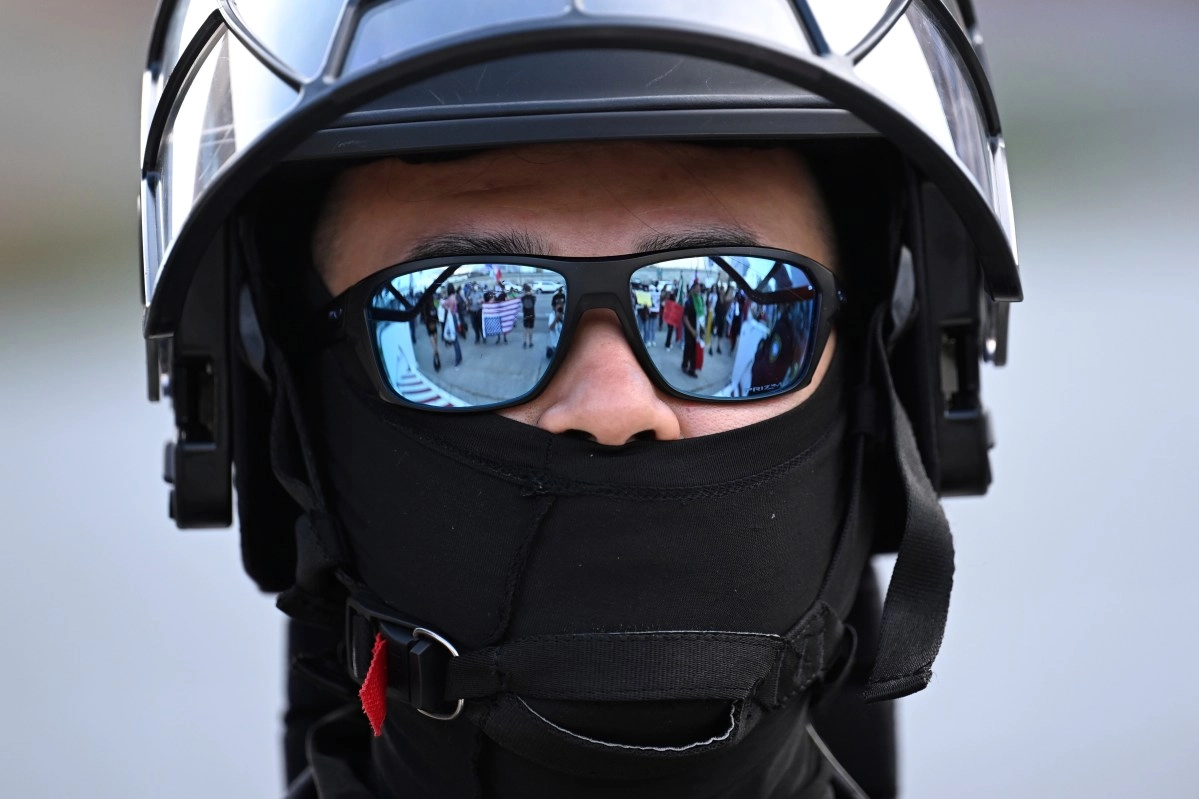

The Colorado Attorney General's Office joined a coalition of state attorneys general urging Congress to ban the use of masked, plainclothes Immigration and Customs Enforcement agents. during arrests.
This position comes just as the government denounced this Tuesday an 830% increase in attacks on Immigration and Customs Enforcement (ICE) agents between January 21 and this Monday compared to the same period in 2024.
However, the letter, signed by 21 Democratic attorneys general, urges members of the United States House of Representatives and Senate to consider legislation that would prohibit ICE agents from wearing masks to hide their identities and require them to show identification.
US Senator Alex Padilla, Democrat from California, introduced the VISIBLE Act, which would require immigration agents to show visible identification during enforcement actions. The bill has already been introduced and is awaiting hearing in the Senate Judiciary Committee.
“It is shocking that we have reached a point in the United States where such a commonsense set of measures must be enshrined in law,” the attorneys general wrote. “However, in light of recent events, such legislation is necessary to protect the public, ensure accountability, and preserve the reputation and effectiveness of law enforcement at all levels of government.” Federal immigration agents have faced increasing criticism in recent months for conducting raids in unmarked vehicles, wearing plain clothes, and wearing masks, a trend that has reportedly increased during the Trump administration. In addition, there have been reports that ICE agents have refused to identify themselves during raids. However, according to an ICE spokesperson, all agents are required to carry easily identifiable badges during raids. There are also federal regulations requiring officers to identify themselves "as soon as it is practical and safe to do so." The agency has defended the use of masks, arguing that they are necessary to protect officer safety and prevent doxing, the disclosure of sensitive personal information.