

Special Counsel Provides New Details on Trump’s Attempt to Remain in Power
Special counsel releases new details on Donald Trump’s actions to remain in power, while arguing for the case to withstand Supreme Court’s immunity decision. Key takeaways from the 165-page brief.
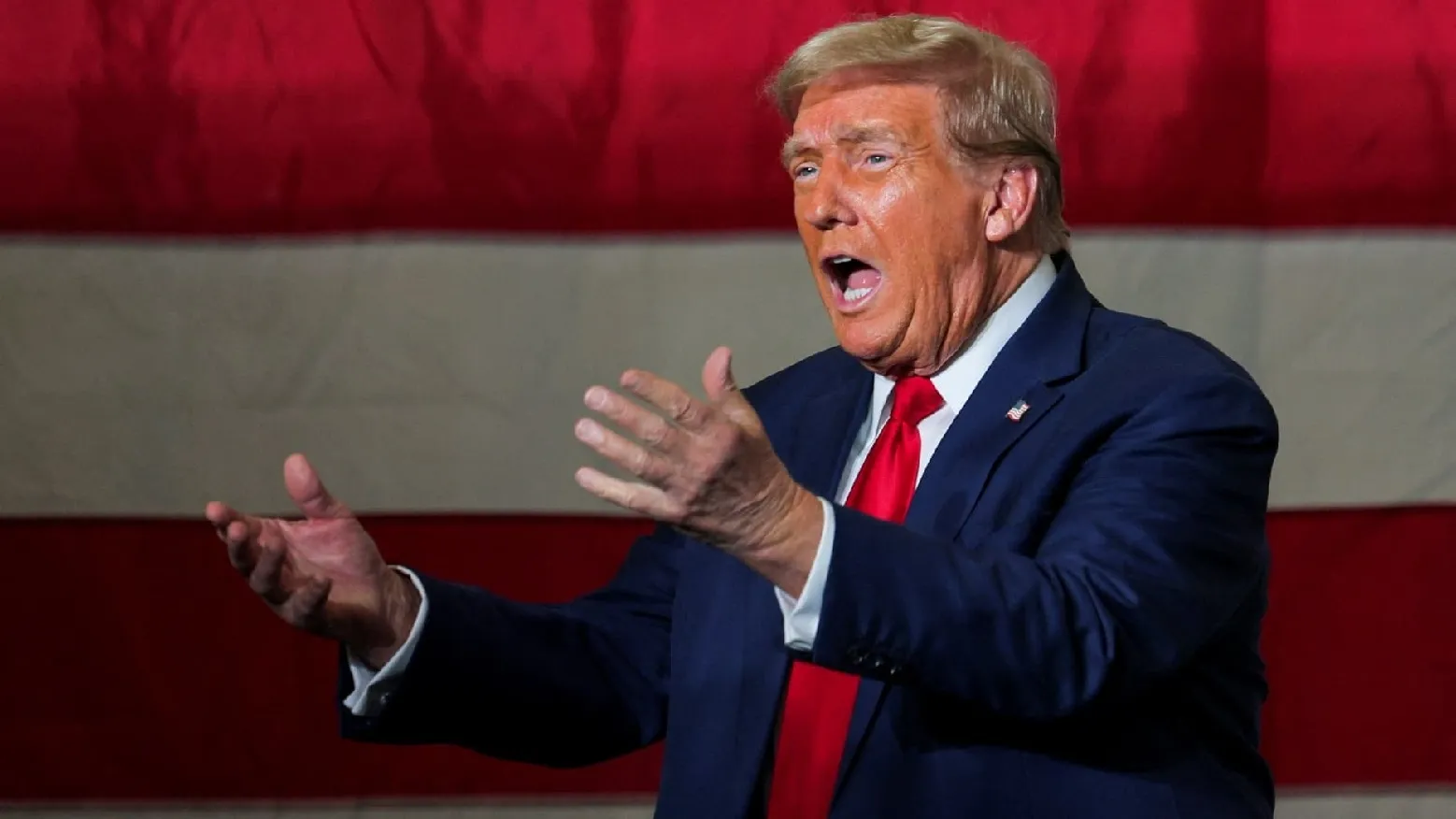

The special counsel overseeing the investigation into former U.S. President Donald Trump’s efforts to remain in power following the 2020 election has revealed critical new details in a 165-page legal brief. The document sheds light on Trump’s actions and strategies aimed at overturning the election results, while also making a compelling case for the lawsuit to survive a potential Supreme Court ruling on presidential immunity. These revelations provide a deeper understanding of Trump’s intentions and the lengths he went to in an attempt to cling to power.
Key Takeaways from the Special Counsel’s Brief
The extensive document outlines several significant points that demonstrate Trump’s involvement in a coordinated effort to challenge the election outcome, despite overwhelming evidence affirming his loss. The special counsel’s office has compiled a detailed timeline and new evidence that show how Trump and his allies tried to exploit legal loopholes and influence key officials to subvert the democratic process.
One of the most crucial takeaways from the brief is the special counsel’s argument that Trump’s actions fell outside the scope of the presidential immunity typically granted to sitting and former presidents. The brief asserts that Trump’s attempts to interfere with the certification of the election results were not legitimate acts of governance, but rather personal efforts to retain power, which should not be protected under immunity. The legal team supporting the special counsel has presented a strong case that these actions violated constitutional norms and federal laws.
Trump’s Direct Involvement in Election Challenges
The brief goes into detail about Trump’s direct role in attempts to pressure state and local officials to overturn the results in key battleground states. It highlights conversations and meetings where Trump personally urged officials to “find” votes or reject legitimate counts. The special counsel’s office argues that these actions show a clear intent to disrupt the democratic process, not merely to question irregularities, but to actively alter the election outcome.
Moreover, the brief underscores that Trump and his legal team sought to use the courts to delay or delegitimize the election results. By filing numerous lawsuits—many of which were dismissed—Trump’s strategy appeared to focus on creating enough doubt and confusion to justify intervention by Congress or state legislatures in certifying the results. This effort culminated in the events of January 6, 2021, when Trump supporters stormed the U.S. Capitol in a failed attempt to prevent Congress from certifying the election.
Supreme Court’s Role in the Case
As the legal battle continues, the special counsel’s team is preparing for a potential challenge before the Supreme Court. The brief is designed to address anticipated arguments surrounding Trump’s claim of immunity. The Supreme Court’s past rulings on executive immunity provide some precedent, but the special counsel’s office is making the case that Trump’s post-election actions went far beyond the scope of normal executive duties, and therefore should not be shielded by presidential immunity.
This argument will be key as the case moves forward, with many legal experts predicting that it could ultimately reach the nation’s highest court. The outcome could have significant implications not only for Trump but for the boundaries of executive power in the future.
As the investigation unfolds, the special counsel’s findings are expected to play a pivotal role in determining whether Trump will face legal consequences for his post-election conduct. The revelations in the 165-page brief offer a comprehensive look into the former president’s efforts to undermine the election and stay in power, raising serious questions about the integrity of the democratic process.