

Appeals court overturns ruling that blocked deportation of about 430,000 immigrants
The ruling allows the revocation of humanitarian parole for immigrants from Cuba, Haiti, Nicaragua, and Venezuela who can now be deported.
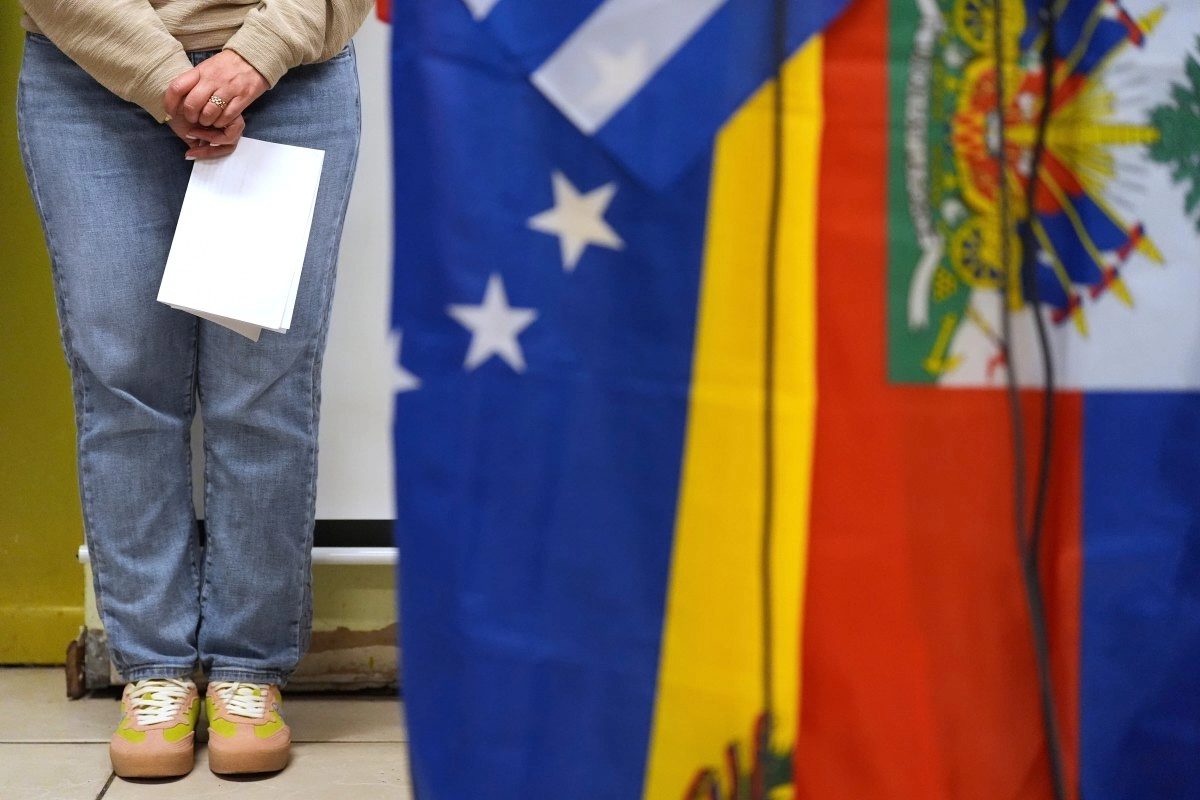

An appeals court ruled Friday that the Trump administration can begin deporting about 430,000 immigrants from Cuba, Haiti, Nicaragua, and Venezuela, known by the acronym CHNV, who entered the U.S. Biden’s humanitarian parole, according to a statement from the Justice Action Center.
On September 12, 2025, the First Circuit Court of Appeals ruled that the administration’s early termination of CHNV parole, which immediately stripped hundreds of thousands of CHNV parole recipients of their legal status and work authorization, was likely lawful, according to a summary of the Svitlana Doe vs. Noem case maintained by the Justice Action Center, one of the plaintiffs.
This ruling affects the legality of parole and work authorization for nearly half a million CHNV humanitarian parole recipients from Cuba, Haiti, Nicaragua, and Venezuela.
Adela de la Torre, deputy director of the Justice Action Center, posted the following explanation of the ruling on Instagram, in Spanish, to clarify questions about it.
“We recognize the risks of irreparable harm convincingly laid out in the district court’s order: individuals in Parolees who came legally to this country were suddenly forced to choose between leaving in less than a month—a decision that potentially includes being separated from their families, communities, and legal employment—and returning to the dangers of their home countries,” the three-judge panel wrote. “However, absent a strong showing of likelihood of success on the merits, the risk of such irreparable harm cannot, by itself, justify a stay.”
Although the ruling refers specifically to CHNV humanitarian parole, it has significant implications for the other humanitarian parole programs at issue in Svitlana’s litigation, such as “Unite for Ukraine” and Operation “Allies Welcome.”This jeopardizes the legal status of hundreds of thousands of people currently living and working in the U.S., the Justice Action Center said in the statement.
The lawsuit was filed by 18 people, in addition to the plaintiff organization, Haitian Bridge Alliance. They are represented by Justice Action Center and Human Rights First.
The Trump administration announced in May that it would revoke the legal status of hundreds of thousands of Latin American and Haitian migrants welcomed into the United States under the Biden-era immigration program and that they would be deported if they did not register to self-deport.
The CHNV was created by the administration of President Joe Biden as a legal path to the US, through which immigrants had to have a sponsor in the country and pass DHS security review before receiving authorization to travel.
This is the first ruling in the case of Svitlana Does vs. Noem since the Supreme Court's July decision, in response to an "emergency" petition by the Trump administration, in which the justices allowed the cancellation of the CHNV to move forward, but left the decision open to the Court of Appeals for the First Circuit, based in Boston, Massachusetts.
The Court's decision Appeals could take the case back to the Supreme Court.
Karen Tumlin, founder and director of the Justice Action Center, said, “Today’s ruling represents an urgent and grave threat to all of us who believe in due process and equal protection under the law, and has immediate consequences for hundreds of thousands of humanitarian parolees, their U.S. sponsors, and the communities across the country that have benefited greatly from their contributions.”
“Our fight cannot and will not end here. We have already returned to the district court to request a final ruling in this case declaring this premature termination unlawful,” Tumlin said.
“This ruling is a devastating blow to hundreds of thousands of legal immigrants and their sponsors in the United States who welcomed them into their homes and communities, but this is not the end of our legal fight,” said Anwen Hughes, legal director of Human Rights First.